http://www.waterwomensalliance.org/2013/01/january-24-combat-soldiers-clergywomen-problematic-equality-by-mary-e-hunt/#.UQQHU5n8_8Q.email
"When the celebrations wind down I will be looking for people who want to ask hard questions about how we humans deal with our differences without war. Before the Catholic hierarchy makes its announcement, I want to talk about how we Catholics organize ourselves for worship and service. Meanwhile, I content myself with the age-old advice, be careful what you pray for..."
Bridget Mary's Response:
Excellent question, and a thought-provoking article by feminist theologian Mary Hunt!
I believe that a renewed priestly ministry must avoid the clerical trap of the "good old boys club." Baptism into Christ makes us all spiritual equals. Women priests are making a bridge to gender equality from the kyriarchal model of church to a community of equals model that is truly empowered. It is a fragile bud, but it is beginning to blossom.
In Mary Mother of Jesus Inclusive Catholic Community in Sarasota, Fl. we have co-presiders of ordained and non-ordained at our weekly liturgy. The assembly celebrates the Eucharist. Some of the highlights are a shared homily with community participating, the recitation of the Eucharistic Prayer is done by members of the congregation gathered in a circle around the altar. All pray Words of Institution, all do final blessing etc. Our arcwp celebrations are not a return to the glory days of the "magic fingers" of the old clerical model of priestly ministry, but a faith-filled community celebration of the contemporary Body of Christ who shares the Body of Christ with the Body of Christ on the margins. We conclude our service with mutual blessing as a prophetic people on the edge where we are called to go forth and let the service begin anew.
Bridget Mary Meehan,arcwp
www.arcwp.org
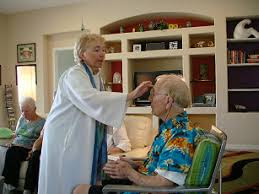
Living Gospel Inclusivity and Empowerment Now- https://bridgetmarys.blogspot.com/2025/10/rev-dr-bridget-mary-meehan-arcwp-chat.html
Saturday, January 26, 2013
No Evidence of Apponting Bishops or of Peter Appointing Successors to the Twelve Apostles/ Bishops and Early Popes were "elected" by community/"Council of Baptized .org" for Historical Practices of Roman Catholic Church
http://www.councilofthebaptized.org/images/selection_of_bishops.pdf
Practice in the New Testament
"The lives of the twelve apostles in the first century after Jesus’ death provide
no evidence of their appointing bishops or of Peter’s appointing successors
to the twelve apostles in the manner practiced today. “It is not
the concern of the New Testament writers to present a coherent history
of emerging ecclesiastical structures” (Cardman 2004, 35).
The early Christian communities functioned fluidly like a movement,
not yet as a structured institution. The first writings surviving from the
years following Jesus’ death are the letters of Paul to the Christian communities
in the Greek speaking world (AD 50s). In each case Paul addresses
his letters to the whole community in a particular city, sometimes
naming men and women who are the leaders. Paul sees the Christian
community as a community of equals, where each of the members has
gifts to contribute to the community (Haight 2004). Various people assume
leadership roles within each community; Paul makes no references
to bishops or to apostolic succession. The successor to Judas among the
twelve was Matthias, chosen by the drawing of lots (Acts 1:12-26).
The gospel narratives report that Jesus himself calls and appoints the
twelve and teaches them the roles of servant leadership. “The greatest
among you must be your servant” (Matthew 23:22). “You know that
among the pagans their so-called rulers lord it over them, and their great
men make their authority felt. This is not to happen among you” (Mark
10:42). Jesus does not mandate a model for subsequent leadership selection.
Practice in the Early Church
Evidence from early church tradition supports our initiative to call our
spiritual leaders. Luke’s writing from late in the first century suggests
church offices are beginning to take shape, yet still fluid. In Acts 6:1-6,
Peter appoints seven deacons to serve the widows in Jerusalem and free
the apostles to preach; in Acts 7 and 8 two of these deacons Stephen and
Philip are preaching, not distributing food. By the time of the writing of
the Didache (c. 100) there is an emerging local ministry of bishops and
deacons. The Didache writer urges the communities “to elect bishops
and deacons, men who are ‘gentle, generous, faithful, and well tried’ ”
(Cardman 2004, 36). The pastoral epistles reflect concern with structure
in households of faith. Scholars date the description of the ideal qualities
for bishops (1Timothy 3:1-7) about AD 100.
As the numbers of Christians grew during the second and third centuries,
they organized themselves more formally with bishops and presbyters
in a diverse number of communities. Ignatius of Antioch, c.100, is
the first recorded advocate of a structure for the community with bishops
and clergy (Haight 2004, 84). The community’s selection of its bishop was
typical in the early church. Hippolytus in AD 215 stated, “Let the bishop
be ordained…having been elected by all the people.” Bishops John
Chrysostom, Ambrose of Milan, and Augustine of Hippo, the great bishops
of the Patristic era, were selected with the people’s involvement. The
bishops of Rome were elected, as evidenced in the writing of Pope Celestine,
422-432: “The one who is to be head over all should be elected
by all. No one should be made a bishop over the unwilling; the consent
and desire of the clergy and the people…is required” (cited in McClory
2007, 31; Haight 2004).
Practice from Constantine
Through the Middle Ages
Church history from Constantine in AD 313 to the formulation of the first
code of canon law in 1917 shows a long struggle for institutional identity
and self-governance. The struggle between the Church of Rome and European
monarchies for power to govern the church ended with Rome’s
winning the centralized power to appoint bishops.
Until the end of the fourth century the church had no central ecclesiastical
power to appoint bishops. The eastern churches and the western
churches were separate even though headed by Constantine, the Roman
Emperor who accepted Christianity as the religion of the empire. They
were dependent to varying degrees on the jurisdiction of the Empire. The
bishop of Rome had recognition because of the city’s central position in
the Empire;..."
Bridget Mary's Response:
Excellent resource! Today the Roman Catholic Women Priests Movement is charting a renewed priestly ministry in a community of equals. Many Catholics are affirming the early tradition of the church as a "discipleship of equals" and are calling for more open, accountable, people-empowered structures in the election/selection of bishop and pope by the faith community. In my veiw, it is part of the spiritual revolution that is happening in Catholicism today and it is a welcome holy shakeup of the hierarchical structures! Bridget Mary Meehan, arcwp. www.arcwp.org
Practice in the New Testament
"The lives of the twelve apostles in the first century after Jesus’ death provide
no evidence of their appointing bishops or of Peter’s appointing successors
to the twelve apostles in the manner practiced today. “It is not
the concern of the New Testament writers to present a coherent history
of emerging ecclesiastical structures” (Cardman 2004, 35).
The early Christian communities functioned fluidly like a movement,
not yet as a structured institution. The first writings surviving from the
years following Jesus’ death are the letters of Paul to the Christian communities
in the Greek speaking world (AD 50s). In each case Paul addresses
his letters to the whole community in a particular city, sometimes
naming men and women who are the leaders. Paul sees the Christian
community as a community of equals, where each of the members has
gifts to contribute to the community (Haight 2004). Various people assume
leadership roles within each community; Paul makes no references
to bishops or to apostolic succession. The successor to Judas among the
twelve was Matthias, chosen by the drawing of lots (Acts 1:12-26).
The gospel narratives report that Jesus himself calls and appoints the
twelve and teaches them the roles of servant leadership. “The greatest
among you must be your servant” (Matthew 23:22). “You know that
among the pagans their so-called rulers lord it over them, and their great
men make their authority felt. This is not to happen among you” (Mark
10:42). Jesus does not mandate a model for subsequent leadership selection.
Practice in the Early Church
Evidence from early church tradition supports our initiative to call our
spiritual leaders. Luke’s writing from late in the first century suggests
church offices are beginning to take shape, yet still fluid. In Acts 6:1-6,
Peter appoints seven deacons to serve the widows in Jerusalem and free
the apostles to preach; in Acts 7 and 8 two of these deacons Stephen and
Philip are preaching, not distributing food. By the time of the writing of
the Didache (c. 100) there is an emerging local ministry of bishops and
deacons. The Didache writer urges the communities “to elect bishops
and deacons, men who are ‘gentle, generous, faithful, and well tried’ ”
(Cardman 2004, 36). The pastoral epistles reflect concern with structure
in households of faith. Scholars date the description of the ideal qualities
for bishops (1Timothy 3:1-7) about AD 100.
As the numbers of Christians grew during the second and third centuries,
they organized themselves more formally with bishops and presbyters
in a diverse number of communities. Ignatius of Antioch, c.100, is
the first recorded advocate of a structure for the community with bishops
and clergy (Haight 2004, 84). The community’s selection of its bishop was
typical in the early church. Hippolytus in AD 215 stated, “Let the bishop
be ordained…having been elected by all the people.” Bishops John
Chrysostom, Ambrose of Milan, and Augustine of Hippo, the great bishops
of the Patristic era, were selected with the people’s involvement. The
bishops of Rome were elected, as evidenced in the writing of Pope Celestine,
422-432: “The one who is to be head over all should be elected
by all. No one should be made a bishop over the unwilling; the consent
and desire of the clergy and the people…is required” (cited in McClory
2007, 31; Haight 2004).
Practice from Constantine
Through the Middle Ages
Church history from Constantine in AD 313 to the formulation of the first
code of canon law in 1917 shows a long struggle for institutional identity
and self-governance. The struggle between the Church of Rome and European
monarchies for power to govern the church ended with Rome’s
winning the centralized power to appoint bishops.
Until the end of the fourth century the church had no central ecclesiastical
power to appoint bishops. The eastern churches and the western
churches were separate even though headed by Constantine, the Roman
Emperor who accepted Christianity as the religion of the empire. They
were dependent to varying degrees on the jurisdiction of the Empire. The
bishop of Rome had recognition because of the city’s central position in
the Empire;..."
Bridget Mary's Response:
Excellent resource! Today the Roman Catholic Women Priests Movement is charting a renewed priestly ministry in a community of equals. Many Catholics are affirming the early tradition of the church as a "discipleship of equals" and are calling for more open, accountable, people-empowered structures in the election/selection of bishop and pope by the faith community. In my veiw, it is part of the spiritual revolution that is happening in Catholicism today and it is a welcome holy shakeup of the hierarchical structures! Bridget Mary Meehan, arcwp. www.arcwp.org
Friday, January 25, 2013
Fr. Tony Flannery is right about priesthood/ David Quinn needs history lesson - No unbroken line of Apostolic Succession/ Response by Bridget Mary Meehan,arcwp
http://www.independent.ie/opinion/analysis/david-quinn-fr-flannery-has-cast-doubt-upon-the-core-nature-of-christs-church-3364248.html
David Quinn needs a refresher in church history. Fr. Tony Flannery is right about the priesthood.
Gary Wills, in his book, What Jesus Meant writes “Nowhere is it indicated there was an official presider at the Christian meal (agape), much less that consecrating the bread and wine was a task delegated to persons of a certain rank. It is a mark of the gospels’ fidelity to the followers’ original status that not one of them mentions a Christian priest or priesthood. When the term “priesthood” finally occurs, in the pseudo-Petrine letters, it refers to the whole Christian community (1 Peter 2.5, 2.9) and the “Peter” of this letter refers to himself not as a priest but as a “fellow elder” to the other elders… “(Gary Wills, What Jesus Meant, pp.69-70)
1. There were no priests in the first centuries of Christianity. Jesus does not call any of his followers priests. Peter, Paul, and the other apostles were not priests or bishops. Paul refers to functions and ministries, that came from gifts of the Spirit, not offices regulated by hierarchy, 1 Cor. 2.11-16) (Gary Wills, What Jesus Meant, pp.68-69)
Women were apostles. Junia (Romans 16:7), and Mary of Magdala, to whom the Risen Christ appeared and sent on mission to proclaim the core belief of Christianity, the Resurrection was the apostle to the apostles.
2. There is no unbroken line of Apostolic Succession.
David Quinn apparently has no idea that Peter was not a priest, a bishop, or a pope, or that apostolic succession comes down to us from the 1400's after the Great Western Schism. Therefore, apostolic succession does not go back to Peter and there is no unbroken line of succession. Three popes claimed to be pope at one time and Council of Constance appointed a different/new pope in 1417.
By the way, the history of the papacy is triple x rated – popes waged wars, granted indulgences for killing infidels (Crusades), Benedict X: papacy bought and sold for money; Gregory1, “When a woman has given birth she should abstain from entering a church for thirty-three days if she had a boy, sixty-six if she had a girl.”
And at least one pope wrote about women priests. He was annoyed that the bishops allowed women to preside at the altar.
Pope Gelasius wrote “Nevertheless we have heard to our annoyance that divine affairs have come to such a low state that women are encouraged to officiate at the sacred altars and to take part in all matters imputed to the offices of the male sex to which they do not belong.” (Gelasus "Letter to the Bishops of Lucania", 494) Sources: Rome has Spoken by Maureen Fiedler and Linda Rabben, and Gary Wills, What Jesus Meant
Like Gary Wills, Tony Flannery gets it about the negative influences of clericalism: Wills sums it up: “Christian priesthood, along with revived holiness codes- consecrated altars and consecrated men and “consecrating fingers,” with the extrusion of the laity (especially women) from altars from secret conclaves, from decision making from control of the believers’ money. The “rood screen” separating clergy from laity was a great barrier in the Middle Ages and it survived for a long time in the “communion railing”. Women returned to the unclean status give them by menstruation under Jewish (and other) law, were not allowed inside the sanctuary of a church- even the altar cloths had to be carried out to the nuns who washed them. For these groups, Jesus cleansed the Temple in vain.” (Gary Wills, What Jesus Meant, p. 85-84.)
Yes, the good news is that some smart, prophetic priests are now breaking their silence and speaking about the sin of sexism, the elephant in the church's living room. Just when is the Vatican going to repent?
Bridget Mary Meehan, arcwp
www.arcwp.org
sofiabmm@aol.com
David Quinn needs a refresher in church history. Fr. Tony Flannery is right about the priesthood.
Gary Wills, in his book, What Jesus Meant writes “Nowhere is it indicated there was an official presider at the Christian meal (agape), much less that consecrating the bread and wine was a task delegated to persons of a certain rank. It is a mark of the gospels’ fidelity to the followers’ original status that not one of them mentions a Christian priest or priesthood. When the term “priesthood” finally occurs, in the pseudo-Petrine letters, it refers to the whole Christian community (1 Peter 2.5, 2.9) and the “Peter” of this letter refers to himself not as a priest but as a “fellow elder” to the other elders… “(Gary Wills, What Jesus Meant, pp.69-70)
1. There were no priests in the first centuries of Christianity. Jesus does not call any of his followers priests. Peter, Paul, and the other apostles were not priests or bishops. Paul refers to functions and ministries, that came from gifts of the Spirit, not offices regulated by hierarchy, 1 Cor. 2.11-16) (Gary Wills, What Jesus Meant, pp.68-69)
Women were apostles. Junia (Romans 16:7), and Mary of Magdala, to whom the Risen Christ appeared and sent on mission to proclaim the core belief of Christianity, the Resurrection was the apostle to the apostles.
2. There is no unbroken line of Apostolic Succession.
David Quinn apparently has no idea that Peter was not a priest, a bishop, or a pope, or that apostolic succession comes down to us from the 1400's after the Great Western Schism. Therefore, apostolic succession does not go back to Peter and there is no unbroken line of succession. Three popes claimed to be pope at one time and Council of Constance appointed a different/new pope in 1417.
By the way, the history of the papacy is triple x rated – popes waged wars, granted indulgences for killing infidels (Crusades), Benedict X: papacy bought and sold for money; Gregory1, “When a woman has given birth she should abstain from entering a church for thirty-three days if she had a boy, sixty-six if she had a girl.”
And at least one pope wrote about women priests. He was annoyed that the bishops allowed women to preside at the altar.
Pope Gelasius wrote “Nevertheless we have heard to our annoyance that divine affairs have come to such a low state that women are encouraged to officiate at the sacred altars and to take part in all matters imputed to the offices of the male sex to which they do not belong.” (Gelasus "Letter to the Bishops of Lucania", 494) Sources: Rome has Spoken by Maureen Fiedler and Linda Rabben, and Gary Wills, What Jesus Meant
Like Gary Wills, Tony Flannery gets it about the negative influences of clericalism: Wills sums it up: “Christian priesthood, along with revived holiness codes- consecrated altars and consecrated men and “consecrating fingers,” with the extrusion of the laity (especially women) from altars from secret conclaves, from decision making from control of the believers’ money. The “rood screen” separating clergy from laity was a great barrier in the Middle Ages and it survived for a long time in the “communion railing”. Women returned to the unclean status give them by menstruation under Jewish (and other) law, were not allowed inside the sanctuary of a church- even the altar cloths had to be carried out to the nuns who washed them. For these groups, Jesus cleansed the Temple in vain.” (Gary Wills, What Jesus Meant, p. 85-84.)
Yes, the good news is that some smart, prophetic priests are now breaking their silence and speaking about the sin of sexism, the elephant in the church's living room. Just when is the Vatican going to repent?
Bridget Mary Meehan, arcwp
www.arcwp.org
sofiabmm@aol.com
"Laity Should Stand Up to Corruption of Roman Catholic Church"Father Phillip Lichtenwalter, St. Louis
"Since the break of the sex abuse scandal, the Roman Catholic Church has lost all grounds to speak on matters of faith and morals. The question now becomes, “Why does anyone continue to attend a Roman Catholic Church?”
Within the past week alone, we have heard stories of how cardinals and bishops have actively and knowingly protected pedophiles while speaking out against priests and nuns who speak out against the errors of the Roman Catholic Church. While Cardinal Mahony of California is accused of hiding sexual abuse by priests, Father Flannery, an Irish Catholic priest, is threatened with excommunication for speaking out against the Vatican. While the Religious Women’s Leadership Conference is under scrutiny for helping the poor, oppressed and marginalized, the U.S. Conference of Catholic Bishops are actively protesting the implementation of Obamacare under the guise of “religious freedom.” While Cardinal George and the bishops of Illinois are actively using their pulpits and finances to protest the newest legislation in Illinois to pass same-sex marriage, Father Donovan, a priest of the Springfield diocese, is forced to call 911 after he found himself bound and gagged, handcuffed in the church’s rectory. The list goes on and on. There isn’t a day that goes by without a news report of some form of corruption taking place within the Roman Catholic Church.
As a Catholic priest, this makes me wonder, why do so many educated men and women choose to be subjected to this corruption? With all the wonderful independent Catholic churches within the United States, such as the American National Catholic Church, which offers a modern and inclusive expression of our Catholic faith, why would the laity choose to be subjected to hypocrisy over spiritual happiness? Is the laity so brainwashed that they would refuse to go anywhere else than to give up on Roman Catholicism? Does the laity truly believe that remaining in the church and fighting for change is really going to work? At what point will the Roman Catholic Church finally stand up, raise the white flag and call it quits? I pray that it’s sooner than later.
I challenge the laity to stand up and speak out against this corruption and hypocrisy. I challenge the laity to finally say, “Enough is enough!” We will not let the church molest our children. We will not let the church hide behind tax exemption yet actively engage in politics. We will not let the church mismanage our money for their political advancement. We will not let the church cry holy when they are promoting hatred and evil. We will not let the church verbally assault our women while choosing to do whatever they want, whenever they want, however they want. We will not let the church promote hatred and discrimination of our gay and lesbian brothers and sisters as “intrinsically evil” while promoting and protecting pedophiles, perverts and molesters. We will not endure within this Roman hierarchy of hypocrisy any longer. We are Catholics, not Roman Catholic! We have had enough! "
Father Phillip Lichtenwalter • St. Louis
Pastor, St. Catherine of Siena Catholic Church
Within the past week alone, we have heard stories of how cardinals and bishops have actively and knowingly protected pedophiles while speaking out against priests and nuns who speak out against the errors of the Roman Catholic Church. While Cardinal Mahony of California is accused of hiding sexual abuse by priests, Father Flannery, an Irish Catholic priest, is threatened with excommunication for speaking out against the Vatican. While the Religious Women’s Leadership Conference is under scrutiny for helping the poor, oppressed and marginalized, the U.S. Conference of Catholic Bishops are actively protesting the implementation of Obamacare under the guise of “religious freedom.” While Cardinal George and the bishops of Illinois are actively using their pulpits and finances to protest the newest legislation in Illinois to pass same-sex marriage, Father Donovan, a priest of the Springfield diocese, is forced to call 911 after he found himself bound and gagged, handcuffed in the church’s rectory. The list goes on and on. There isn’t a day that goes by without a news report of some form of corruption taking place within the Roman Catholic Church.
As a Catholic priest, this makes me wonder, why do so many educated men and women choose to be subjected to this corruption? With all the wonderful independent Catholic churches within the United States, such as the American National Catholic Church, which offers a modern and inclusive expression of our Catholic faith, why would the laity choose to be subjected to hypocrisy over spiritual happiness? Is the laity so brainwashed that they would refuse to go anywhere else than to give up on Roman Catholicism? Does the laity truly believe that remaining in the church and fighting for change is really going to work? At what point will the Roman Catholic Church finally stand up, raise the white flag and call it quits? I pray that it’s sooner than later.
I challenge the laity to stand up and speak out against this corruption and hypocrisy. I challenge the laity to finally say, “Enough is enough!” We will not let the church molest our children. We will not let the church hide behind tax exemption yet actively engage in politics. We will not let the church mismanage our money for their political advancement. We will not let the church cry holy when they are promoting hatred and evil. We will not let the church verbally assault our women while choosing to do whatever they want, whenever they want, however they want. We will not let the church promote hatred and discrimination of our gay and lesbian brothers and sisters as “intrinsically evil” while promoting and protecting pedophiles, perverts and molesters. We will not endure within this Roman hierarchy of hypocrisy any longer. We are Catholics, not Roman Catholic! We have had enough! "
Father Phillip Lichtenwalter • St. Louis
Pastor, St. Catherine of Siena Catholic Church
Thursday, January 24, 2013
"Redemptorist Priest: Vatican Threatened Excommunication for Advocating Discussion...Women Priests" by Irish journalist John Cooney/National Catholic Reporter/"Holy Shakeup" that Vatican Fears
John Cooney,a prominent Irish journalist, wrote this excellent article on Fr. Tony Flannery for the National Catholic Reporter. Like Maryknoll Roy Bourgeois, Franciscan Jerry Zawada, Jesuit Bill Brennan, Fr. Helmut Schüller of the Austrian Priests' Initiative, Redemptorist Tony Flannery is standing up in solidarity for women priests as an issue of conscience and justice in our church. The good news is that the holy shakeup of the Vatican's old boys' network is growing as prophetic priests and organizations of male priests in Europe jump on board for women's ordination. I often heard my Dad, who died in Nov., play"God save Ireland" on the trumpet. Perhaps, this is one of the ways that God is going to save, not only Ireland ,but the church. We can conclude from the Vatican's over-the-top punishments of courageous male priests, like Redemptorist. Tony Flannery, that one of the hierarchy's worst nightmares is the growing support of women priests by male priests! Where will it all end? Hopefully, we will see a renewed, vibrant church of the baptized where the gifts of all are celebrated and affirmed, and where women and men gather as partners and equals to celebrate Eucharist in faith communities that are inclusive and "catholic". It is time for all who love our church to join together to promote Gospel equality. Bridget Mary Meehan, arcwp, www.arcwp.org
http://ncronline.org/news/global/redemptorist-priest-vatican-threatened-excommunication-my-teachings
NCR Article:
Update: The head of the Redemptorist fathers in Rome said he deeply regrets that Flannery broke the silence he had been asked to observe, Catholic New Service reported Wednesday
"Redemptorist Fr. Michael Brehl, the order's superior general, also confirmed that Flannery is under Vatican investigation for alleged ambiguities "regarding fundamental areas of Catholic doctrine, including the priesthood, the nature of the church and the Eucharist. Brehl said he wanted to "earnestly invite" Flannery "to renew the efforts to find an agreed solution to the concerns raised by the Congregation for the Doctrine of the Faith."He also asked Irish Redemptorists to "join with me in praying and working together in the spirit of St. Alphonsus to maintain and strengthen our communion with the universal church."
PREVIOUS STORY
Irish Redemptorist Fr. Tony Flannery broke a year of silence Sunday to reveal that the Vatican had threatened him with excommunication and removal from his religious congregation because he advocates for open discussions about church teachings on ordaining women, clerical celibacy, contraceptives and homosexuality.
The Vatican's Congregation for the Doctrine of the Faith removed Flannery, 66, from public ministry last February, pending the outcome of its inquiries into views he expressed in Reality, a Redemptorist-run magazine.
Flannery also said he has had no direct contact in person or writing from the congregation. All communication has come through the Redemptorist superior general in Rome, Fr. Michael Brehl.
Flannery described the actions against him as "frightening, disproportionate and reminiscent of the Inquisition."
He said he initially tried to find a compromise with the Vatican congregation, but by September, it became clear this would not happen."I gradually became aware that the CDF continually raised the bar until it got to the point where I could no longer negotiate," Flannery said. "I was faced with a choice. Either I sign a statement, for publication, stating that I accepted teachings that I could not accept, or I would remain permanently banned from priestly ministry, and maybe face more serious sanctions.
"It is important to state clearly that these issues were not matters of fundamental teaching, but rather of church governance," he said.
Flannery, a popular retreat master and writer, said the congregation also had ordered him "not to have any involvement, public or private" with the Association of Catholic Priests. Flannery co-founded the association in 2010 as a forum for discussion among Irish clergy on issues affecting the Irish church and society.
"I have served the church, the Redemptorists and the people of God for two-thirds of my life. Throughout that time, I have in good conscience raised issues I believed important for the future of the Church in books and essays largely read by practicing Catholics, rather than raising them in mainstream media," Flannery said in a statement released at a news conference. "I'm hardly a major and subversive figure within the Church deserving excommunication and expulsion from the religious community within which I have lived since my teens."The choice facing him, he said, was between deciding between Rome and his conscience.
"Submitting to these threats would be a betrayal of my ministry, my fellow priests and the Catholic people who want change," he said.
The Redemptorists in Ireland issued a strong defense of Flannery on Sunday.
"We do understand and support his efforts to listen carefully to and at times to articulate the views of people he encounters in the course of his ministry," the provincial leadership team of the Irish Redemptorists said in a statement.
They said they regretted immensely that "some structures or processes of dialogue have not yet been found in the Church which have a greater capacity to engage with challenging voices from among God's people, while respecting the key responsibility and central role of the Congregation for the Doctrine of the Faith."
The Association of Catholic Priests also affirmed "in the strongest possible terms" its support for Flannery. The association said Flannery was being targeted as "part of a worldwide effort to negate the influence of independent priests' associations in Austria, USA, Germany, France, Switzerland and other places."
Also at the news conference was Fr. Helmut Schüller of the Austrian Priests' Initiative. He criticized the "lack of basic rights and respect for personal conscience" in the church.
Former Irish President Mary McAleese spoke in support of Flannery and other dissident Irish clerics Oct. 20 at the launch of her book Quo Vadis?: Collegiality in the Code of Canon Law at the Jesuit headquarters in Dublin. There she spoke privately to Flannery, who was making a rare public appearance.
The reform group We are Church Ireland announced a peaceful vigil outside the Vatican's Apostolic Nunciature in Dublin, planned for Jan. 27, to offer unconditional support for Flannery's right "not to be forced by an abuse of his vow of obedience to submit to the secretive demands" of the doctrinal congregation.
Flannery said, "The threats are a means, not just of terrifying me into submission, but of sending a message to any other priest expressing views at variance with those of the Roman Curia."
From the West of Ireland, Flannery was born in Attymon, County Galway, and spent time as a Redemptorist preacher in Limerick. He has a large following both as preacher and retreat master. He is a popularizer, rather than a heavyweight scholar. He holds audience attention through dialogue, especially with parents who find that the clerical abuse scandals have alienated their children from religion.
Once noted for hellfire sermons, the Redemptorists have been at the forefront of the drive for necessary church change. Flannery's 1999 book, From the Inside: A Priest's View of the Catholic Church, is part autobiographical and part appraisal of Irish Catholicism. It consists of short, readable pieces, highlighting inadequate sexual and spiritual training of priests. It examines fault lines that emerged in the aftermath of Pope Paul VI's 1968 encyclical, Humanae Vitae, upholding the church's ban on artificial forms of contraception.
In this book, too, Flannery criticized the institution's mishandling of clerical celibacy.
His Fragments of Reality, published in 2008 by Columba Press of Dublin, contains his collected writings since 1998, when he was a member of the Redemptorist Mission Team which comprised laypeople and clergy.
He saw firsthand the steady decline throughout Ireland of church attendance and of candidates for the priesthood.
He also witnessed the continued denial of any meaningful role for women in ministry. "How much longer can this policy be sustained?" he wrote. "We must be the last institution in the Western world that continues to hold such blatant discrimination against women. I don't have any doubt that there is no theological or scriptural basis for this position, but that it is purely a social and institutional construct hiding a fairly barefaced and primitive desire for male domination."
In the essay "The Ordination of Women" in Fragments of Reality, he revealed that he knows a few of the women who were ordained in the Roman Catholic women priests movement on a riverboat in Pittsburgh in 2006. He personally knows Irish-born Bridget Mary Meehan, who is a bishop in the Association of Roman Catholic Women Priests."
[John Cooney is a Dublin-based journalist and historian.]
http://ncronline.org/news/global/redemptorist-priest-vatican-threatened-excommunication-my-teachings
NCR Article:
Update: The head of the Redemptorist fathers in Rome said he deeply regrets that Flannery broke the silence he had been asked to observe, Catholic New Service reported Wednesday
"Redemptorist Fr. Michael Brehl, the order's superior general, also confirmed that Flannery is under Vatican investigation for alleged ambiguities "regarding fundamental areas of Catholic doctrine, including the priesthood, the nature of the church and the Eucharist. Brehl said he wanted to "earnestly invite" Flannery "to renew the efforts to find an agreed solution to the concerns raised by the Congregation for the Doctrine of the Faith."He also asked Irish Redemptorists to "join with me in praying and working together in the spirit of St. Alphonsus to maintain and strengthen our communion with the universal church."
PREVIOUS STORY
Irish Redemptorist Fr. Tony Flannery broke a year of silence Sunday to reveal that the Vatican had threatened him with excommunication and removal from his religious congregation because he advocates for open discussions about church teachings on ordaining women, clerical celibacy, contraceptives and homosexuality.
The Vatican's Congregation for the Doctrine of the Faith removed Flannery, 66, from public ministry last February, pending the outcome of its inquiries into views he expressed in Reality, a Redemptorist-run magazine.
Flannery also said he has had no direct contact in person or writing from the congregation. All communication has come through the Redemptorist superior general in Rome, Fr. Michael Brehl.
Flannery described the actions against him as "frightening, disproportionate and reminiscent of the Inquisition."
He said he initially tried to find a compromise with the Vatican congregation, but by September, it became clear this would not happen."I gradually became aware that the CDF continually raised the bar until it got to the point where I could no longer negotiate," Flannery said. "I was faced with a choice. Either I sign a statement, for publication, stating that I accepted teachings that I could not accept, or I would remain permanently banned from priestly ministry, and maybe face more serious sanctions.
"It is important to state clearly that these issues were not matters of fundamental teaching, but rather of church governance," he said.
Flannery, a popular retreat master and writer, said the congregation also had ordered him "not to have any involvement, public or private" with the Association of Catholic Priests. Flannery co-founded the association in 2010 as a forum for discussion among Irish clergy on issues affecting the Irish church and society.
"I have served the church, the Redemptorists and the people of God for two-thirds of my life. Throughout that time, I have in good conscience raised issues I believed important for the future of the Church in books and essays largely read by practicing Catholics, rather than raising them in mainstream media," Flannery said in a statement released at a news conference. "I'm hardly a major and subversive figure within the Church deserving excommunication and expulsion from the religious community within which I have lived since my teens."The choice facing him, he said, was between deciding between Rome and his conscience.
"Submitting to these threats would be a betrayal of my ministry, my fellow priests and the Catholic people who want change," he said.
The Redemptorists in Ireland issued a strong defense of Flannery on Sunday.
"We do understand and support his efforts to listen carefully to and at times to articulate the views of people he encounters in the course of his ministry," the provincial leadership team of the Irish Redemptorists said in a statement.
They said they regretted immensely that "some structures or processes of dialogue have not yet been found in the Church which have a greater capacity to engage with challenging voices from among God's people, while respecting the key responsibility and central role of the Congregation for the Doctrine of the Faith."
The Association of Catholic Priests also affirmed "in the strongest possible terms" its support for Flannery. The association said Flannery was being targeted as "part of a worldwide effort to negate the influence of independent priests' associations in Austria, USA, Germany, France, Switzerland and other places."
Also at the news conference was Fr. Helmut Schüller of the Austrian Priests' Initiative. He criticized the "lack of basic rights and respect for personal conscience" in the church.
Former Irish President Mary McAleese spoke in support of Flannery and other dissident Irish clerics Oct. 20 at the launch of her book Quo Vadis?: Collegiality in the Code of Canon Law at the Jesuit headquarters in Dublin. There she spoke privately to Flannery, who was making a rare public appearance.
The reform group We are Church Ireland announced a peaceful vigil outside the Vatican's Apostolic Nunciature in Dublin, planned for Jan. 27, to offer unconditional support for Flannery's right "not to be forced by an abuse of his vow of obedience to submit to the secretive demands" of the doctrinal congregation.
Flannery said, "The threats are a means, not just of terrifying me into submission, but of sending a message to any other priest expressing views at variance with those of the Roman Curia."
From the West of Ireland, Flannery was born in Attymon, County Galway, and spent time as a Redemptorist preacher in Limerick. He has a large following both as preacher and retreat master. He is a popularizer, rather than a heavyweight scholar. He holds audience attention through dialogue, especially with parents who find that the clerical abuse scandals have alienated their children from religion.
Once noted for hellfire sermons, the Redemptorists have been at the forefront of the drive for necessary church change. Flannery's 1999 book, From the Inside: A Priest's View of the Catholic Church, is part autobiographical and part appraisal of Irish Catholicism. It consists of short, readable pieces, highlighting inadequate sexual and spiritual training of priests. It examines fault lines that emerged in the aftermath of Pope Paul VI's 1968 encyclical, Humanae Vitae, upholding the church's ban on artificial forms of contraception.
In this book, too, Flannery criticized the institution's mishandling of clerical celibacy.
His Fragments of Reality, published in 2008 by Columba Press of Dublin, contains his collected writings since 1998, when he was a member of the Redemptorist Mission Team which comprised laypeople and clergy.
He saw firsthand the steady decline throughout Ireland of church attendance and of candidates for the priesthood.
He also witnessed the continued denial of any meaningful role for women in ministry. "How much longer can this policy be sustained?" he wrote. "We must be the last institution in the Western world that continues to hold such blatant discrimination against women. I don't have any doubt that there is no theological or scriptural basis for this position, but that it is purely a social and institutional construct hiding a fairly barefaced and primitive desire for male domination."
In the essay "The Ordination of Women" in Fragments of Reality, he revealed that he knows a few of the women who were ordained in the Roman Catholic women priests movement on a riverboat in Pittsburgh in 2006. He personally knows Irish-born Bridget Mary Meehan, who is a bishop in the Association of Roman Catholic Women Priests."
[John Cooney is a Dublin-based journalist and historian.]
Tuesday, January 22, 2013
"How the Vatican built a Secret Property Empire Using Mussolini's Millions"/The Guardian/British News Story
http://www.guardian.co.uk/world/2013/jan/21/vatican-secret-property-empire-mussolini
"Papacy used offshore tax havens to create £500m international portfolio, featuring real estate in UK, France and Switzerland"
David Leigh, Jean François Tanda and Jessica Benhamou
The Guardian, Monday 21 January 2013 20.23 GMT
"Few passing London tourists would ever guess that the premises of Bulgari, the upmarket jewellers in New Bond Street, had anything to do with the pope. Nor indeed the nearby headquarters of the wealthy investment bank Altium Capital, on the corner of St James's Square and Pall Mall.
But these office blocks in one of London's most expensive districts are part of a surprising secret commercial property empire owned by the Vatican.
Behind a disguised offshore company structure, the church's international portfolio has been built up over the years, using cash originally handed over by Mussolini in return for papal recognition of the Italian fascist regime in 1929.
Since then the international value of Mussolini's nest-egg has mounted until it now exceeds £500m. In 2006, at the height of the recent property bubble, the Vatican spent £15m of those funds to buy 30 St James's Square. Other UK properties are at 168 New Bond Street and in the city of Coventry. It also owns blocks of flats in Paris and Switzerland.
The surprising aspect for some will be the lengths to which the Vatican has gone to preserve secrecy about the Mussolini millions. The St James's Square office block was bought by a company called British Grolux Investments Ltd, which also holds the other UK properties. Published registers at Companies House do not disclose the company's true ownership, nor make any mention of the Vatican..."
Bridget Mary's Response:
What a shocker to see the connection between Mussolini and the pope? Why does the Vatican hide the church's financial assets? Thiis report will probably surprise, or even shock, many Catholics in the pews.
We can see clearly the need for accountability and transparency in the Vatican and among the hierarchy of the Roman Catholic Church. I wonder if any of this is related to the Vati-leaks or the Butler's case.
Bridget Mary Meehan, arcwp
www.arcwp.org
"Papacy used offshore tax havens to create £500m international portfolio, featuring real estate in UK, France and Switzerland"
David Leigh, Jean François Tanda and Jessica Benhamou
The Guardian, Monday 21 January 2013 20.23 GMT
"Few passing London tourists would ever guess that the premises of Bulgari, the upmarket jewellers in New Bond Street, had anything to do with the pope. Nor indeed the nearby headquarters of the wealthy investment bank Altium Capital, on the corner of St James's Square and Pall Mall.
But these office blocks in one of London's most expensive districts are part of a surprising secret commercial property empire owned by the Vatican.
Behind a disguised offshore company structure, the church's international portfolio has been built up over the years, using cash originally handed over by Mussolini in return for papal recognition of the Italian fascist regime in 1929.
Since then the international value of Mussolini's nest-egg has mounted until it now exceeds £500m. In 2006, at the height of the recent property bubble, the Vatican spent £15m of those funds to buy 30 St James's Square. Other UK properties are at 168 New Bond Street and in the city of Coventry. It also owns blocks of flats in Paris and Switzerland.
The surprising aspect for some will be the lengths to which the Vatican has gone to preserve secrecy about the Mussolini millions. The St James's Square office block was bought by a company called British Grolux Investments Ltd, which also holds the other UK properties. Published registers at Companies House do not disclose the company's true ownership, nor make any mention of the Vatican..."
Bridget Mary's Response:
What a shocker to see the connection between Mussolini and the pope? Why does the Vatican hide the church's financial assets? Thiis report will probably surprise, or even shock, many Catholics in the pews.
We can see clearly the need for accountability and transparency in the Vatican and among the hierarchy of the Roman Catholic Church. I wonder if any of this is related to the Vati-leaks or the Butler's case.
Bridget Mary Meehan, arcwp
www.arcwp.org
Monday, January 21, 2013
President Obama Calls for Inclusivity and Equality at 2nd Inaugural Address
Obama calls for greater equality for all
http://www.washingtonpost.com/national/inauguration/2013-inauguration-waiting-watching-bearing-witness/2013/01/21/7bc849ce-63b6-11e2-b84d-21c7b65985ee_story.html
Let us hope that one day, in not too distant future, the hierarchy of the Catholic Church, including the pope, will stand up in St. Peter's Square, with women priests, and issue a similar prophetic call! Bridget Mary Meehan, arcwp, www.arcwp.org
http://www.washingtonpost.com/national/inauguration/2013-inauguration-waiting-watching-bearing-witness/2013/01/21/7bc849ce-63b6-11e2-b84d-21c7b65985ee_story.html
Let us hope that one day, in not too distant future, the hierarchy of the Catholic Church, including the pope, will stand up in St. Peter's Square, with women priests, and issue a similar prophetic call! Bridget Mary Meehan, arcwp, www.arcwp.org
Media Statement from the Provincial Leadership Team of the Irish Redemptorists
www.eskercommunity.org
Sunday 20th January 2013
"The Irish Redemptorist Community is deeply saddened by the breakdown in communication between Fr. Tony Flannery C.Ss.R. and the Congregation for the Doctrine of the Faith (CDF)Fr. Tony Flannery is highly regarded and respected by many in Ireland, both within and outside of the Redemptorist Congregation. He has been an effective parish missioner all over the country since the mid 1970s and from this context has raised matters which he believes need greater dialogue, debate and consideration. Within the Dublin Province of the Redemptorists there exists a very lively spirit of debate and dialogue; we are and over many years have been, committed to mature discourse. Although not all Redemptorists would accept Fr. Flannery’s views on all matters, we do understand and support his efforts to listen carefully to and at times to articulate the views of people he encounters in the course of his ministry.As Irish Redemptorists we appreciate the difficulties this situation has created for others, especially for our Superior General in Rome, Fr. Michael Brehl. He has made every possible effort to resolve the matters which have emerged between the CDF and Fr. Flannery.Our Redemptorist Constitutions require us to be obedient to God’s call to us as religious in the Church. Following our founder, St. Alphonsus, for whom thinking with the Church was a important criterion of missionary service, a further key element of our Church mandate is to listen and stay close to God’s people; to engage in missionary dialogue with the world while endeavouring to understand people’s anxious questionings; to try to discover in these how God is truly being revealed.It is of immense regret that some structures or processes of dialogue have not yet been found in the Church which have a greater capacity to engage with challenging voices from among God’s people, while respecting the key responsibility and central role of the Congregation for the Doctrine of the Faith.We sincerely hope and pray that even at this late stage, some agreed resolution can be found to this matter."
Sunday 20th January 2013
"The Irish Redemptorist Community is deeply saddened by the breakdown in communication between Fr. Tony Flannery C.Ss.R. and the Congregation for the Doctrine of the Faith (CDF)Fr. Tony Flannery is highly regarded and respected by many in Ireland, both within and outside of the Redemptorist Congregation. He has been an effective parish missioner all over the country since the mid 1970s and from this context has raised matters which he believes need greater dialogue, debate and consideration. Within the Dublin Province of the Redemptorists there exists a very lively spirit of debate and dialogue; we are and over many years have been, committed to mature discourse. Although not all Redemptorists would accept Fr. Flannery’s views on all matters, we do understand and support his efforts to listen carefully to and at times to articulate the views of people he encounters in the course of his ministry.As Irish Redemptorists we appreciate the difficulties this situation has created for others, especially for our Superior General in Rome, Fr. Michael Brehl. He has made every possible effort to resolve the matters which have emerged between the CDF and Fr. Flannery.Our Redemptorist Constitutions require us to be obedient to God’s call to us as religious in the Church. Following our founder, St. Alphonsus, for whom thinking with the Church was a important criterion of missionary service, a further key element of our Church mandate is to listen and stay close to God’s people; to engage in missionary dialogue with the world while endeavouring to understand people’s anxious questionings; to try to discover in these how God is truly being revealed.It is of immense regret that some structures or processes of dialogue have not yet been found in the Church which have a greater capacity to engage with challenging voices from among God’s people, while respecting the key responsibility and central role of the Congregation for the Doctrine of the Faith.We sincerely hope and pray that even at this late stage, some agreed resolution can be found to this matter."
"Vatican's demand for silence is too high a price" Fr. Tony Flannery/Irish Times Article/"Holy Shakeup Continues
http://www.irishtimes.com/newspaper/opinion/2013/0121/1224329102657.html#.UP1BdnxSLg0.email
...."There are people who will say I should leave the Catholic Church and join another Christian church – one more suitable to my stance. Being a Catholic is central to my personal identity. I have tried to preach the gospel. No matter what sanctions the Vatican imposes on me I will continue, in whatever way I can, to try to bring about reform in the church and to make it again a place where all who want to follow Christ will be welcome. He made friends with the outcasts of society, and I will do whatever I can in my own small way to oppose the current Vatican trend of creating a church of condemnation rather than one of compassion.I believe that the real aim of the CDF is to suppress the ACP – attempts have been made to clip the wings of the Austrian association. I hope and pray it will not succeed.While I am dealing with these issues in my own life I believe it is appropriate for me to temporarily stand down from my position of leadership in the association. I will, however, remain an active member, and will be available to help in every way possible for the work of the ACP, which is bigger than any one person.Finally, it could be asked why I am going public now having remained silent for a year. I need to take back my voice."
Bridget Mary's Response:
The holy shakeup continues as more and more priests stand up for conscience and an inclusive church that includes women priests. I pray that one day we will have women priests in Ireland. I stand in solidarity with Fr. Tony Flannery and the Association of Irish Priests and thank them for their prophetic witness to gender equality in the Catholic Church. Bridget Mary Meehan, ARCWP, Association of Roman Catholic Women Priests, www.arcwp.org, sofiabmm@aol.com
...."There are people who will say I should leave the Catholic Church and join another Christian church – one more suitable to my stance. Being a Catholic is central to my personal identity. I have tried to preach the gospel. No matter what sanctions the Vatican imposes on me I will continue, in whatever way I can, to try to bring about reform in the church and to make it again a place where all who want to follow Christ will be welcome. He made friends with the outcasts of society, and I will do whatever I can in my own small way to oppose the current Vatican trend of creating a church of condemnation rather than one of compassion.I believe that the real aim of the CDF is to suppress the ACP – attempts have been made to clip the wings of the Austrian association. I hope and pray it will not succeed.While I am dealing with these issues in my own life I believe it is appropriate for me to temporarily stand down from my position of leadership in the association. I will, however, remain an active member, and will be available to help in every way possible for the work of the ACP, which is bigger than any one person.Finally, it could be asked why I am going public now having remained silent for a year. I need to take back my voice."
Bridget Mary's Response:
The holy shakeup continues as more and more priests stand up for conscience and an inclusive church that includes women priests. I pray that one day we will have women priests in Ireland. I stand in solidarity with Fr. Tony Flannery and the Association of Irish Priests and thank them for their prophetic witness to gender equality in the Catholic Church. Bridget Mary Meehan, ARCWP, Association of Roman Catholic Women Priests, www.arcwp.org, sofiabmm@aol.com
Sunday, January 20, 2013
Irish Priest Will Defy Vatican by Breaking Silence/Refuses to Sign Statement Against Women Priests/Congratulations Fr. Tony Flannery for Speaking Truth to Power
http://www.nytimes.com/2013/01/20/world/europe/priest-is-planning-to-defy-vaticans-orders-to-stay-quiet.html?emc=tnt&tntemail1=y
DUBLIN — "A well-known Irish Catholic priest plans to defy Vatican authorities on Sunday by breaking his silence about what he says is a campaign against him by the church over his advocacy of more open discussion on church teachings.
The Rev. Tony Flannery, 66, who was suspended by the Vatican last year, said he was told by the Vatican that he would be allowed to return to ministry only if he agreed to write, sign and publish a statement agreeing, among other things, that women should never be ordained as priests and that he would adhere to church orthodoxy on matters like contraception and homosexuality.
“How can I put my name to such a document when it goes against everything I believe in,” he said in an interview on Wednesday. “If I signed this, it would be a betrayal not only of myself but of my fellow priests and lay Catholics who want change. I refuse to be terrified into submission.”
Father Flannery, a regular contributor to religious publications, said he planned to make his case public at a news conference here on Sunday.
The Vatican’s doctrinal office, the Congregation for the Doctrine of the Faith, wrote to Father Flannery’s religious superior, the Rev. Michael Brehl, last year instructing him to remove Father Flannery from his ministry in County Galway, to ensure he did not publish any more articles in religious or other publications, and to tell him not to give interviews to the news media.
In the letter, the Vatican objected in particular to an article published in 2010 in Reality, an Irish religious magazine. In the article, Father Flannery, a Redemptorist priest, wrote that he no longer believed that “the priesthood as we currently have it in the church originated with Jesus” or that he designated “a special group of his followers as priestInstead, he wrote, “It is more likely that some time after Jesus, a select and privileged group within the community who had abrogated power and authority to themselves, interpreted the occasion of the Last Supper in a manner that suited their own agenda.”Father Flannery said the Vatican wanted him specifically to recant the statement, and affirm that Christ instituted the church with a permanent hierarchical structure and that bishops are divinely established successors to the apostles.He believes the church’s treatment of him, which he described as a “Spanish Inquisition-style campaign,” is symptomatic of a definite conservative shift under Pope Benedict XVI.“I have been writing thought-provoking articles and books for decades without hindrance,” he said. “This campaign is being orchestrated by a secretive body that refuses to meet me. Surely I should at least be allowed to explain my views to my accusers.”His superior was also told to order Father Flannery to withdraw from his leadership role in the Association of Catholic Priests, a group formed in 2009 to articulate the views of rank-and-file members of the clergy.
In reply to an association statement expressing solidarity with Father Flannery, the Congregation for the Doctrine of the Faith denied it was acting in a secretive manner, pointed out that Father Flannery’s views could be construed as “heresy” under church law, and threatened “canonical penalties,” including excommunication, if he did not change his views.This month, the Congregation for the Doctrine of the Faith wrote to an American priest, Roy Bourgeois, notifying him of his laicization, following his excommunication in 2008 over his support for the ordination of women."
Bridget Mary's Response:
Kudos to Fr. Tony Flannery for standing up to Vatican oppression of women and abuse of power. As Martin Luther King reminds us we must always challenge injustice, no matter where we find it. I am proud of your prophetc stance for gender justice in the Roman Catholic Church. The Association of Roman Catholic Women Priests stands in solidarity with the Irish Priests Association. We affirm our Irish brothers and look forward to the day when the Catholic Church will follow the example Jesus gave of Gospel equality. Your story is the most recent chapter in the growing spiritual revolution that is spreading in the Roman Catholic Church. Let us lead the way to a renewed, people-empowered Roman Catholic Church!
Bishop Bridget Mary Meehan, arcwp
www.arcwp.org
(Association of Roman Catholic Women Priests)
=
DUBLIN — "A well-known Irish Catholic priest plans to defy Vatican authorities on Sunday by breaking his silence about what he says is a campaign against him by the church over his advocacy of more open discussion on church teachings.
The Rev. Tony Flannery, 66, who was suspended by the Vatican last year, said he was told by the Vatican that he would be allowed to return to ministry only if he agreed to write, sign and publish a statement agreeing, among other things, that women should never be ordained as priests and that he would adhere to church orthodoxy on matters like contraception and homosexuality.
“How can I put my name to such a document when it goes against everything I believe in,” he said in an interview on Wednesday. “If I signed this, it would be a betrayal not only of myself but of my fellow priests and lay Catholics who want change. I refuse to be terrified into submission.”
Father Flannery, a regular contributor to religious publications, said he planned to make his case public at a news conference here on Sunday.
The Vatican’s doctrinal office, the Congregation for the Doctrine of the Faith, wrote to Father Flannery’s religious superior, the Rev. Michael Brehl, last year instructing him to remove Father Flannery from his ministry in County Galway, to ensure he did not publish any more articles in religious or other publications, and to tell him not to give interviews to the news media.
In the letter, the Vatican objected in particular to an article published in 2010 in Reality, an Irish religious magazine. In the article, Father Flannery, a Redemptorist priest, wrote that he no longer believed that “the priesthood as we currently have it in the church originated with Jesus” or that he designated “a special group of his followers as priestInstead, he wrote, “It is more likely that some time after Jesus, a select and privileged group within the community who had abrogated power and authority to themselves, interpreted the occasion of the Last Supper in a manner that suited their own agenda.”Father Flannery said the Vatican wanted him specifically to recant the statement, and affirm that Christ instituted the church with a permanent hierarchical structure and that bishops are divinely established successors to the apostles.He believes the church’s treatment of him, which he described as a “Spanish Inquisition-style campaign,” is symptomatic of a definite conservative shift under Pope Benedict XVI.“I have been writing thought-provoking articles and books for decades without hindrance,” he said. “This campaign is being orchestrated by a secretive body that refuses to meet me. Surely I should at least be allowed to explain my views to my accusers.”His superior was also told to order Father Flannery to withdraw from his leadership role in the Association of Catholic Priests, a group formed in 2009 to articulate the views of rank-and-file members of the clergy.
In reply to an association statement expressing solidarity with Father Flannery, the Congregation for the Doctrine of the Faith denied it was acting in a secretive manner, pointed out that Father Flannery’s views could be construed as “heresy” under church law, and threatened “canonical penalties,” including excommunication, if he did not change his views.This month, the Congregation for the Doctrine of the Faith wrote to an American priest, Roy Bourgeois, notifying him of his laicization, following his excommunication in 2008 over his support for the ordination of women."
Bridget Mary's Response:
Kudos to Fr. Tony Flannery for standing up to Vatican oppression of women and abuse of power. As Martin Luther King reminds us we must always challenge injustice, no matter where we find it. I am proud of your prophetc stance for gender justice in the Roman Catholic Church. The Association of Roman Catholic Women Priests stands in solidarity with the Irish Priests Association. We affirm our Irish brothers and look forward to the day when the Catholic Church will follow the example Jesus gave of Gospel equality. Your story is the most recent chapter in the growing spiritual revolution that is spreading in the Roman Catholic Church. Let us lead the way to a renewed, people-empowered Roman Catholic Church!
Bishop Bridget Mary Meehan, arcwp
www.arcwp.org
(Association of Roman Catholic Women Priests)
=
Saturday, January 19, 2013
Join the Association of Roman Catholic Women Priests in Mission of Justice and Equality for All with Prayers and Financial Support

Dear Family, Friends and Supporters of ARCWP:
The Association of Roman Catholic Women Priests in 2013 is growing as a renewed inclusive Christ-centered, justice-seeking movement within the Catholic Church emerging in more and more places led by ordained women. We give thanks for you, our supporters. In 2012 five women were ordained as priests and another six women as deacons. We anticipate the ordination of as many as nine women as priests in 2013. In spite of the Vatican-imposed punishment of excommunication our movement for Gospel equality continues to grow.
Roman Catholic Women Priests are a new vision rising up: one of inclusion, nonviolence and justice in our church and world community. We are active in ministries with those who are living on the margins due to homelessness, racism, poverty and difference. We serve as pastors for house churches and inclusive Catholic communities. We are educators and authors, retreat leaders and peace activists. We provide pastoral care in a variety of medical settings. We work with youth, families, the elderly and the disaffected to heal and build community often in ecumenical settings.
Because we are so blessed with growth we know that we need increased financial support. Our largest expenses are for our ordinations and all the ways we spread our good news by speaking to groups in colleges and universities and at showings of the documentary “Pink Smoke”, through our website, and by visiting and collaborating with our priests in South America.
That’s what ARCWP is about. We work tirelessly to bring about the Kin-dom in local communities by the giving of ourselves in ministry and by challenging the powers that be. We know that we can count on you to support our efforts. Please make your tax-deductible donation to: ARCWP at the address above. Since travel costs are one of our largest expenses, we would gratefully accept the purchase of an airline ticket through any frequent flier program.
We invite you to visit our website (www.arcwp.org) and Bridget Mary Meehan’s blog (www.bridgetmarys. blogspot.com) for the latest in our movement for a renewed, inclusive church.
We offer you our blessings as we move forward together,
The Women of ARCWP
The Association of Roman Catholic Women Priests, Inc. is a 501(c)3 tax-exempt charitable organization.
Donations are tax-deductible to the extent permitted by law.
Friday, January 18, 2013
"Will the Next Pope Become the Vatican's Last Pope?" by Jerry Slevin/ Vatican Corruption and Need for Reform/ Women Priests Leading the Way
http://christiancatholicism.com/will-the-next-pope-become-the-vaticans-last-pope/
"The next pope, expected soon by many, will apparently be the last imperial pope elected. Thereafter, the Catholic hierarchy will likely be compelled to adopt power-sharing reforms under accelerating pressure, including from political leaders in Australia, Ireland, Germany and soon likely the USA, as well. The percentage of voting Cardinals in the Vatican, mostly Italians, has increased considerably during Benedict XVI’s short tenure. This has fortified the Vatican Cardinal clique’s veto grip on the next papal election, which likely will be of an initially younger, longer serving, but similarly imperial, pope... "
"Ongoing developments indicate that electing a new pope now, who would appear to be just another puppet of the imperial Vatican clique, would likely lead rapidly to the end of the Roman Holy Empire. These ongoing developments include: (A) the continuing disclosures of the Catholic hierarchy’s worldwide criminal conspiracies, (B) the imminent end of papal primacy and the return of accountability, (C) the steady restoration of scriptural primacy and simple Gospel values, and (D) the increasing loss of effective Vatican political power worldwide."
International prosecutors, government investigators and/or abuse survivors’ lawyers will likely continue their relentless pursuit of key Cardinals, including perhaps the pope, for child endangerment abuse cover-up practices and for bank money laundering and other financial crimes.
Pressure will continue to mount from:
(1) the ongoing revelations from the major governmental investigation commission in Australia (and probably soon in the USA as well), which will override non-disclosure agreements and compel testimony, including about the details of communications between the local hierarchy and Vatican officials;
(2) the Los Angeles Archdiocesan file revelations underlying the $660 million abuse settlement and including hundreds of previously secret and unredacted abuse related files;
(3) the award winning HBO documentary (“Mea Maxima Culpa”) about over 200 deaf Milwaukee boys sexually abused by a single priest that will begin airing internationally on February 4, which includes details of the failure of the current pope’s former CDF department to deal effectively and expeditiously with the evident predator, as well as the clip of the pope earlier slapping an ABC-TV reporter for daring to press him on the status of Father Maciel’s almost fifty-year old investigation;
(4) the seemingly unending bizarre saga of Cardinal Rigali’s former Philly Archdiocesean priests’ ongoing child sexual abuse and/or child endangerment criminal trials, and the related blatant perjury and document destruction admissions;
(5) the ongoing stonewalling by German bishops apparently to keep independent investigators like Professor Pfeiffer from getting to the Munich and Regensburg files of the Ratzinger brothers;
(6) New York Cardinal Dolan’s shameful and failed effort to try illegally to keep millions of dollars of Milwaukee funds from abuse survivors, including some of the 200 deaf boys mentioned above;
(7) the continuation in office of Kansas City Bishop Finn after his conviction for a child endangerment related crime, despite the demands of many local Catholics that he be removed;
(8) the arrest of Cardinal Egan’s and Archbishop Lori’s former Bridgeport top aide, Monsignor Wallin, reportedly a cross dressing, porn distributing, alleged drug dealer;
(9) the appointment of one of disgraced Cardinal Law’s former canon lawyers as the new chief Vatican prosecutor of predatory priests; and
(10) inevitably more obscene revelations related to the foregoing, that will just add more fuel to the demand for more and stronger prosecutorial efforts worldwide against the Catholic hierarchy.
(B) The End of Papal Primacy and the Restoration of Accountability
Anticipated disclosures from these prosecutorial proceedings from previously secret Vatican documents and likely sworn testimony from Vatican employees, such as the papal butler who can be expected to reveal more especially after Gorgeous Georg’s surprising promotion to Archbishop, and notwithstanding the apparent effort to buy the butler’s silence with a new Catholic hospital position in Rome, appear likely to raise more issues of greater papal culpability.
These issues will then serve to buttress the increasingly widely disseminated historical and scriptural evidence that shows clearly that “divine origin” claims for papal authority are mainly unsupportable. The imminent collapse of papal credibility and authority will likely lead more Catholics to revisit and to seek to restore the structure that Jesus and his first disciples left behind intentionally, where local church gatherings were overseen by locally selected and accountable leaders, both male and female..."
Bridget Mary's Response:
Excellent article by Jerry Slevin that should be read by everyone.
The spirituality of Catholicism is profound. The Gospel and sacramental celebrations are at the heart of our faith. We have a beautiful mystical and social justice tradtion. The community of faith, the people of God, are the church, as Vatican 11 reminded us, not the hierarchy alone.
Jesus could not stand the religious hypocrisy of the religious leaders and lashed out against their abuse of spiritual power. It is time for Catholics to follow Jesus' example and challenge the Vatican and hierarchy to a reform that includes structural change and accountability. The Roman Catholic Women Priests Movement is providing a model of renewal that affirms Gospel equality and justice for women in the church. We welcome all celebrate Eucharist and our vision is an empowered, partnership model of church! Women priests have not left the church, as the Vatican claims, but are leading the church into its future now!
Bridget Mary Meehan, arcwp
www.arcwp.org
sofiabmm@aol.com
"The next pope, expected soon by many, will apparently be the last imperial pope elected. Thereafter, the Catholic hierarchy will likely be compelled to adopt power-sharing reforms under accelerating pressure, including from political leaders in Australia, Ireland, Germany and soon likely the USA, as well. The percentage of voting Cardinals in the Vatican, mostly Italians, has increased considerably during Benedict XVI’s short tenure. This has fortified the Vatican Cardinal clique’s veto grip on the next papal election, which likely will be of an initially younger, longer serving, but similarly imperial, pope... "
"Ongoing developments indicate that electing a new pope now, who would appear to be just another puppet of the imperial Vatican clique, would likely lead rapidly to the end of the Roman Holy Empire. These ongoing developments include: (A) the continuing disclosures of the Catholic hierarchy’s worldwide criminal conspiracies, (B) the imminent end of papal primacy and the return of accountability, (C) the steady restoration of scriptural primacy and simple Gospel values, and (D) the increasing loss of effective Vatican political power worldwide."
International prosecutors, government investigators and/or abuse survivors’ lawyers will likely continue their relentless pursuit of key Cardinals, including perhaps the pope, for child endangerment abuse cover-up practices and for bank money laundering and other financial crimes.
Pressure will continue to mount from:
(1) the ongoing revelations from the major governmental investigation commission in Australia (and probably soon in the USA as well), which will override non-disclosure agreements and compel testimony, including about the details of communications between the local hierarchy and Vatican officials;
(2) the Los Angeles Archdiocesan file revelations underlying the $660 million abuse settlement and including hundreds of previously secret and unredacted abuse related files;
(3) the award winning HBO documentary (“Mea Maxima Culpa”) about over 200 deaf Milwaukee boys sexually abused by a single priest that will begin airing internationally on February 4, which includes details of the failure of the current pope’s former CDF department to deal effectively and expeditiously with the evident predator, as well as the clip of the pope earlier slapping an ABC-TV reporter for daring to press him on the status of Father Maciel’s almost fifty-year old investigation;
(4) the seemingly unending bizarre saga of Cardinal Rigali’s former Philly Archdiocesean priests’ ongoing child sexual abuse and/or child endangerment criminal trials, and the related blatant perjury and document destruction admissions;
(5) the ongoing stonewalling by German bishops apparently to keep independent investigators like Professor Pfeiffer from getting to the Munich and Regensburg files of the Ratzinger brothers;
(6) New York Cardinal Dolan’s shameful and failed effort to try illegally to keep millions of dollars of Milwaukee funds from abuse survivors, including some of the 200 deaf boys mentioned above;
(7) the continuation in office of Kansas City Bishop Finn after his conviction for a child endangerment related crime, despite the demands of many local Catholics that he be removed;
(8) the arrest of Cardinal Egan’s and Archbishop Lori’s former Bridgeport top aide, Monsignor Wallin, reportedly a cross dressing, porn distributing, alleged drug dealer;
(9) the appointment of one of disgraced Cardinal Law’s former canon lawyers as the new chief Vatican prosecutor of predatory priests; and
(10) inevitably more obscene revelations related to the foregoing, that will just add more fuel to the demand for more and stronger prosecutorial efforts worldwide against the Catholic hierarchy.
(B) The End of Papal Primacy and the Restoration of Accountability
Anticipated disclosures from these prosecutorial proceedings from previously secret Vatican documents and likely sworn testimony from Vatican employees, such as the papal butler who can be expected to reveal more especially after Gorgeous Georg’s surprising promotion to Archbishop, and notwithstanding the apparent effort to buy the butler’s silence with a new Catholic hospital position in Rome, appear likely to raise more issues of greater papal culpability.
These issues will then serve to buttress the increasingly widely disseminated historical and scriptural evidence that shows clearly that “divine origin” claims for papal authority are mainly unsupportable. The imminent collapse of papal credibility and authority will likely lead more Catholics to revisit and to seek to restore the structure that Jesus and his first disciples left behind intentionally, where local church gatherings were overseen by locally selected and accountable leaders, both male and female..."
Bridget Mary's Response:
Excellent article by Jerry Slevin that should be read by everyone.
The spirituality of Catholicism is profound. The Gospel and sacramental celebrations are at the heart of our faith. We have a beautiful mystical and social justice tradtion. The community of faith, the people of God, are the church, as Vatican 11 reminded us, not the hierarchy alone.
Jesus could not stand the religious hypocrisy of the religious leaders and lashed out against their abuse of spiritual power. It is time for Catholics to follow Jesus' example and challenge the Vatican and hierarchy to a reform that includes structural change and accountability. The Roman Catholic Women Priests Movement is providing a model of renewal that affirms Gospel equality and justice for women in the church. We welcome all celebrate Eucharist and our vision is an empowered, partnership model of church! Women priests have not left the church, as the Vatican claims, but are leading the church into its future now!
Bridget Mary Meehan, arcwp
www.arcwp.org
sofiabmm@aol.com
Wednesday, January 16, 2013
"The Meaning of Ordination and How Women were Gradually Excluded"
By Gary Macy
Two points are important to make about the development of leadership roles in the church in the period from the fifth to the 13th centuries. First, the definition of ordination changed radically during the 12th century. Second, women were considered capable of ordination up until the 13th century. This having been said, it is important to understand what ordination meant from the fifth to the 13th centuries. Only then can we understand what it meant to ordain women during that period.
Read More
http://ncronline.org/node/42706
"...During the first millennium of Christianity, ordination meant election by and installation of a person to perform a particular function in a Christian community. Not only bishops, priests, deacons and subdeacons but also of porters, lectors, exorcists, acolytes, canons, abbots, abbesses, kings, queens and empresses were all considered equally ordained. This makes perfect sense. An ordo (order) was a group in the church (or society) that had a particular job or vocation. In fact, any job or vocation was called an "order," and the process by which one was chosen and designated for that vocation was an "ordination. To quote Cardinal Yves Congar, the French Dominican theologian who died in 1995 at age 91, "Ordination encompassed at the same time election as its starting point and consecration as its term. But instead of signifying, as happened from the beginning of the 12th century, the ceremony in which an individual received a power henceforth possessed in such a way that it could never be lost, the words ordinare, ordinari, ordinatio signified the fact of being designated and consecrated to take up a certain place, or better a certain function, ordo, in the community and at its service." Ordination did not give a person, for instance, the irrevocable and portable power of consecrating the bread and wine, or of leading the liturgy, but rather a particular community would charge a person to play a leadership role within that community (and only within that community) and he or she would lead the liturgy because of the leadership role they played within the community. So any leader of a community would be expected to lead the liturgy..."
Two points are important to make about the development of leadership roles in the church in the period from the fifth to the 13th centuries. First, the definition of ordination changed radically during the 12th century. Second, women were considered capable of ordination up until the 13th century. This having been said, it is important to understand what ordination meant from the fifth to the 13th centuries. Only then can we understand what it meant to ordain women during that period.
Read More
http://ncronline.org/node/42706
"...During the first millennium of Christianity, ordination meant election by and installation of a person to perform a particular function in a Christian community. Not only bishops, priests, deacons and subdeacons but also of porters, lectors, exorcists, acolytes, canons, abbots, abbesses, kings, queens and empresses were all considered equally ordained. This makes perfect sense. An ordo (order) was a group in the church (or society) that had a particular job or vocation. In fact, any job or vocation was called an "order," and the process by which one was chosen and designated for that vocation was an "ordination. To quote Cardinal Yves Congar, the French Dominican theologian who died in 1995 at age 91, "Ordination encompassed at the same time election as its starting point and consecration as its term. But instead of signifying, as happened from the beginning of the 12th century, the ceremony in which an individual received a power henceforth possessed in such a way that it could never be lost, the words ordinare, ordinari, ordinatio signified the fact of being designated and consecrated to take up a certain place, or better a certain function, ordo, in the community and at its service." Ordination did not give a person, for instance, the irrevocable and portable power of consecrating the bread and wine, or of leading the liturgy, but rather a particular community would charge a person to play a leadership role within that community (and only within that community) and he or she would lead the liturgy because of the leadership role they played within the community. So any leader of a community would be expected to lead the liturgy..."
"Losing My Religion For Equality" by Jimmy Carter
http://www.theage.com.au/opinion/losing-my-religion-for-equality-20090714-dk0v.html
"Women and girls have been discriminated against for too long in a twisted interpretation of the word of God. I HAVE been a practising Christian all my life and a deacon and Bible teacher for many years. My faith is a source of strength and comfort to me, as religious beliefs are to hundreds of millions of people around the world. So my decision to sever my ties with the Southern Baptist Convention, after six decades, was painful and difficult. It was, however, an unavoidable decision when the convention's leaders, quoting a few carefully selected Bible verses and claiming that Eve was created second to Adam and was responsible for original sin, ordained that women must be "subservient" to their husbands and prohibited from serving as deacons, pastors or chaplains in the military service."
Read more: http://www.theage.com.au/opinion/losing-my-religion-for-equality-20090714-dk0v.html#ixzz2IBx69Tpg
"Women and girls have been discriminated against for too long in a twisted interpretation of the word of God. I HAVE been a practising Christian all my life and a deacon and Bible teacher for many years. My faith is a source of strength and comfort to me, as religious beliefs are to hundreds of millions of people around the world. So my decision to sever my ties with the Southern Baptist Convention, after six decades, was painful and difficult. It was, however, an unavoidable decision when the convention's leaders, quoting a few carefully selected Bible verses and claiming that Eve was created second to Adam and was responsible for original sin, ordained that women must be "subservient" to their husbands and prohibited from serving as deacons, pastors or chaplains in the military service."
Read more: http://www.theage.com.au/opinion/losing-my-religion-for-equality-20090714-dk0v.html#ixzz2IBx69Tpg
Tuesday, January 15, 2013
ARCWP Ordination on April 27, 2013 in Louisville, KY
ARCWP ORDINATION INVITATION
YOU ARE INVITED AND WELCOME TO THE
ASSOCIATION OF ROMAN CATHOLIC WOMEN PRIESTS
ORDINATION TO THE PRIESTHOOD
Of
Dr. Rosemarie Smead
ARCWP Deacon
1:00pm Saturday, April 27th, 2013
St. Andrews United Church of Christ
2608 Browns Lane
Louisville, KY 40220
Come join us, all are welcome, all are invited to the table of Christ-Sophia
For further information:
"Why can or can't women be priests? "
http://questionsfromaewe.blogspot.com/
(From Questions from a Ewe Blog)
"Assertion: If gospels say Jesus did something with one gender it must be preserved forever.
Concern(s): Uses an inconsistent rule
Jesus only permitted women to anoint him. “Messiah” means “anointed one.” Since only women anointed Jesus to acknowledge his messianic calling, women should be the only ones to anoint sacramentally to acknowledge God’s call. The church anoints for 3 purposes: acknowledging a call (baptism, confirmation, orders), exorcism (baptism and anointing of sick), and healing (anointing of sick). Jesus only commissioned the apostles to anoint the sick yet apostles anoint for all 3 reasons. Consistent use of their rule would have apostles only anointing the sick and women anointing for all other reasons..."
(From Questions from a Ewe Blog)
"Assertion: If gospels say Jesus did something with one gender it must be preserved forever.
Concern(s): Uses an inconsistent rule
Jesus only permitted women to anoint him. “Messiah” means “anointed one.” Since only women anointed Jesus to acknowledge his messianic calling, women should be the only ones to anoint sacramentally to acknowledge God’s call. The church anoints for 3 purposes: acknowledging a call (baptism, confirmation, orders), exorcism (baptism and anointing of sick), and healing (anointing of sick). Jesus only commissioned the apostles to anoint the sick yet apostles anoint for all 3 reasons. Consistent use of their rule would have apostles only anointing the sick and women anointing for all other reasons..."
Monday, January 14, 2013
"Pink Smoke Over the Vatican"/ Interfaith Women's Alliance in Sarasota and Manatee County/Film and Discussion
A large group of women from different faith traditions attended the second showing of "Pink Smoke Over the Vatican" on Sunday, Jan. 13th at the Unitarian Church in Sarasota, Florida. Katy Zatsick and I answered questions from the audience following the movie about our experiences as Roman Catholic Women Priests and the impact the movement is having in the church and beyond.
We heard many positive comments and expressions of support and solidarity.
Wouldn't it be great if this movie was available on Netflix?
I believe that the Interfaith Women's Alliance is a powerful group of women of faith and action. Bridget Mary Meehan, ARCWP, www.arcwp.org


We heard many positive comments and expressions of support and solidarity.
Wouldn't it be great if this movie was available on Netflix?
I believe that the Interfaith Women's Alliance is a powerful group of women of faith and action. Bridget Mary Meehan, ARCWP, www.arcwp.org

 |
| Katy (red stole), Arlene, Bridget Mary at podium |

Saturday, January 12, 2013
Friday, January 11, 2013
Thursday, January 10, 2013
Wednesday, January 9, 2013
Get the facts in order: A history of women's leadership A U.S. Catholic interview
http://www.uscatholic.org/articles/201211/get-facts-order-history-womens-leadership-26594
...."You say the church has a hidden history of women in leadership and authority roles. Why is it hidden?
It’s hidden because there was a deliberate attempt to change the understanding of the history, and it was successful. It’s historically documented that women were ordained to leadership roles in the early and medieval church. But it became controversial. By the 13th century, the church was saying women were never ordained. They didn’t say, “Women used to be ordained, but now we’re going to stop it.” They went further and built a series of arguments to prove that women had never been ordained.
An influential canon lawyer, Huguccio of Bologna, wrote that even if you ordained a woman, it wouldn’t take because she doesn’t have the right matter. That argument stuck, and century after century the assumption was that women were never and could not be ordained.
What are some surprising examples of women in church leadership?
There are a few examples that might surprise people. Maybe most surprising are the abbesses of Las Huelgas near Burgos in Spain, who acted as extraterritorial bishops until the 1870s.
They established parishes for the 36 villages under them. They dismantled parishes. They had to give faculties to any priest who heard confessions or said Mass in their diocese. They held their own synods. An abbess did everything a bishop did except ordain priests. She had a miter and crozier. There was an order of clerics that ran the hospital that she was in charge of, and they had to take an oath of obedience to her just as clerics have to take an oath of obedience to their bishop.
After the Council of Trent in the 16th century said, “No more of these extraterritorial bishops; we’re going to get rid of them all,” one of the abbesses of Las Huelgas, Anne of Austria, wrote to the pope. She asked, “How would that apply to us?” He wrote back, “Oh, don’t worry. Don’t worry. It doesn’t apply to you.” She was much too powerful for him to mess with.
Another example is St. Radegund, a sixth-century queen of France. She became queen because the king of France, Clothar I, had invaded her father’s kingdom, killed almost all her relatives, and then took her captive and eventually married her.
Around 550, after Clothar killed Radegund’s brother, she’d finally had it with him and fled to Bishop Médard of Noyen. She said, “Ordain me a deacon.” And he said, “No, the king’s knights are in hot pursuit. I’m in big trouble.” And she said, “Do you obey God, or do you obey man?” He was struck by that, so he ordained her a deacon. She became an extremely powerful abbess as well as a deacon.
Would Médard have believed he was making history by ordaining the first woman deacon?
He would have known it was possible because there was a rite for the ordination of women deacons in the Roman Pontifical, a liturgical book, up through the 12th century. We have all of the ordination rites for women deacons from the eighth through the 12th century.
There’s a wonderful legend about Bridget of Ireland, written hundreds of years after her death, half in Latin and half in Celtic
The story is that St. Mel, who was a bishop, was going to ordain Bridget an abbess. He was so flabbergasted and overtaken with her holiness that he opened the book of rites to the wrong place and ordained her a bishop. And Mel said, “OK, she’s a bishop. That’s it.”
Whoever wrote that story thought that if you ordained a woman a bishop, that it would “take.” In this story Mel said, “And this virgin will be the only woman bishop in Ireland.” So they not only thought you could ordain a woman a deacon, they thought you could ordain a woman a bishop.
Given that that story is a legend, does it have historical significance?
While it may be historically unlikely that this ever happened, it shows the person writing this ninth-century story thought that it was perfectly possible.
The same is true with these ordination rites for women deacons. It’s far too expensive to write these liturgical books and then not use them.
What do the rites say?
For women deacons the oldest rite we have in the West comes from an eighth-century book that was used by Bishop Egbert of York. The Eastern rites are much older. They go all the way back to the third century, and there are lots more of them.
The eighth-century rite is an interesting one because there is a single prayer in the middle of the rite, “The prayer for ordaining a male or a female deacon.” It’s the same prayer. But there are other prayers for blessing male and female deacons in Egbert’s pontifical as well. The prayer for females stresses virginity, while the prayer for males asks for peace and prosperity. But the prayer for ordaining them is the same.
The one with the longest prayer is a 10th-century ritual in the Romano-Germanic Pontifical, and it’s very influential. It has the complete liturgy for the ordination of a female and of a male deacon. The rite for a woman deacon takes place within the Mass and begins with the instructions, “When the bishop blesses the deacon, he places the orarium on her neck. However, when she proceeds to the church, she wears it around her neck so that the ends of the both sides of the orarium are under her tunic.”
The orarium is the stole that the deacon or priest wears when he’s preaching. Another place in the ritual they call it a stola. So she gets a stole for reading the gospel and preaching. That’s typical for a deacon and not different from the male ritual. There are other parts of the ritual—the reception of a veil, ring, and crown—that are also part of a ritual used to consecrate virgins.
In the 12th century a rite appears in the Roman Pontifical, but it seems to be a streamlined version of the one in the Romano-Germanic Pontifical.
There’s a wonderful 12th-century gospel illumination of the Annunciation, and Mary is dressed exactly like a woman deacon would have been. She has the orarium tucked under her tunic. It’s almost like the Archangel Gabriel is coming to ordain her a deacon so she could proclaim the gospel, which in her case would be, of course, to bear Jesus.
Can we tell from the rites how women deacons ministered?
The clearest evidence is that they read the gospel, because again and again you’ll see references to that, particularly in the 10th through the 12th centuries.
We also have sources, such as a ninth-century commentary on canon law, that says women deacons instructed Christian women. So they preached—but to women. We know that in the very early centuries they prepared women for baptism when there was full immersion, because the men weren’t going to do that.
Their ministry seems to have been primarily to women. That’s why in these later centuries—the 10th to the 12th centuries—some abbesses were also ordained deacons. A lot of sources from that time will say abbesses are the new deacons, and they’ll say that because the abbesses read the gospel. But there was a whole other ordination rite for abbesses.
These rituals for women deacons exist in the West through the 12th century. Then in the 13th-century Roman Pontifical, that prayer for women deacons is completely gone. It doesn’t get copied. The 12th century is also the last time a reference to a woman deacon, in this case, Heloise of Paris, is made...
It’s hidden because there was a deliberate attempt to change the understanding of the history, and it was successful. It’s historically documented that women were ordained to leadership roles in the early and medieval church. But it became controversial. By the 13th century, the church was saying women were never ordained. They didn’t say, “Women used to be ordained, but now we’re going to stop it.” They went further and built a series of arguments to prove that women had never been ordained.
An influential canon lawyer, Huguccio of Bologna, wrote that even if you ordained a woman, it wouldn’t take because she doesn’t have the right matter. That argument stuck, and century after century the assumption was that women were never and could not be ordained.
What are some surprising examples of women in church leadership?
There are a few examples that might surprise people. Maybe most surprising are the abbesses of Las Huelgas near Burgos in Spain, who acted as extraterritorial bishops until the 1870s.
They established parishes for the 36 villages under them. They dismantled parishes. They had to give faculties to any priest who heard confessions or said Mass in their diocese. They held their own synods. An abbess did everything a bishop did except ordain priests. She had a miter and crozier. There was an order of clerics that ran the hospital that she was in charge of, and they had to take an oath of obedience to her just as clerics have to take an oath of obedience to their bishop.
After the Council of Trent in the 16th century said, “No more of these extraterritorial bishops; we’re going to get rid of them all,” one of the abbesses of Las Huelgas, Anne of Austria, wrote to the pope. She asked, “How would that apply to us?” He wrote back, “Oh, don’t worry. Don’t worry. It doesn’t apply to you.” She was much too powerful for him to mess with.
Another example is St. Radegund, a sixth-century queen of France. She became queen because the king of France, Clothar I, had invaded her father’s kingdom, killed almost all her relatives, and then took her captive and eventually married her.
Around 550, after Clothar killed Radegund’s brother, she’d finally had it with him and fled to Bishop Médard of Noyen. She said, “Ordain me a deacon.” And he said, “No, the king’s knights are in hot pursuit. I’m in big trouble.” And she said, “Do you obey God, or do you obey man?” He was struck by that, so he ordained her a deacon. She became an extremely powerful abbess as well as a deacon.
Would Médard have believed he was making history by ordaining the first woman deacon?
He would have known it was possible because there was a rite for the ordination of women deacons in the Roman Pontifical, a liturgical book, up through the 12th century. We have all of the ordination rites for women deacons from the eighth through the 12th century.
There’s a wonderful legend about Bridget of Ireland, written hundreds of years after her death, half in Latin and half in Celtic
The story is that St. Mel, who was a bishop, was going to ordain Bridget an abbess. He was so flabbergasted and overtaken with her holiness that he opened the book of rites to the wrong place and ordained her a bishop. And Mel said, “OK, she’s a bishop. That’s it.”
Whoever wrote that story thought that if you ordained a woman a bishop, that it would “take.” In this story Mel said, “And this virgin will be the only woman bishop in Ireland.” So they not only thought you could ordain a woman a deacon, they thought you could ordain a woman a bishop.
Given that that story is a legend, does it have historical significance?
While it may be historically unlikely that this ever happened, it shows the person writing this ninth-century story thought that it was perfectly possible.
The same is true with these ordination rites for women deacons. It’s far too expensive to write these liturgical books and then not use them.
What do the rites say?
For women deacons the oldest rite we have in the West comes from an eighth-century book that was used by Bishop Egbert of York. The Eastern rites are much older. They go all the way back to the third century, and there are lots more of them.
The eighth-century rite is an interesting one because there is a single prayer in the middle of the rite, “The prayer for ordaining a male or a female deacon.” It’s the same prayer. But there are other prayers for blessing male and female deacons in Egbert’s pontifical as well. The prayer for females stresses virginity, while the prayer for males asks for peace and prosperity. But the prayer for ordaining them is the same.
The one with the longest prayer is a 10th-century ritual in the Romano-Germanic Pontifical, and it’s very influential. It has the complete liturgy for the ordination of a female and of a male deacon. The rite for a woman deacon takes place within the Mass and begins with the instructions, “When the bishop blesses the deacon, he places the orarium on her neck. However, when she proceeds to the church, she wears it around her neck so that the ends of the both sides of the orarium are under her tunic.”
The orarium is the stole that the deacon or priest wears when he’s preaching. Another place in the ritual they call it a stola. So she gets a stole for reading the gospel and preaching. That’s typical for a deacon and not different from the male ritual. There are other parts of the ritual—the reception of a veil, ring, and crown—that are also part of a ritual used to consecrate virgins.
In the 12th century a rite appears in the Roman Pontifical, but it seems to be a streamlined version of the one in the Romano-Germanic Pontifical.
There’s a wonderful 12th-century gospel illumination of the Annunciation, and Mary is dressed exactly like a woman deacon would have been. She has the orarium tucked under her tunic. It’s almost like the Archangel Gabriel is coming to ordain her a deacon so she could proclaim the gospel, which in her case would be, of course, to bear Jesus.
Can we tell from the rites how women deacons ministered?
The clearest evidence is that they read the gospel, because again and again you’ll see references to that, particularly in the 10th through the 12th centuries.
We also have sources, such as a ninth-century commentary on canon law, that says women deacons instructed Christian women. So they preached—but to women. We know that in the very early centuries they prepared women for baptism when there was full immersion, because the men weren’t going to do that.
Their ministry seems to have been primarily to women. That’s why in these later centuries—the 10th to the 12th centuries—some abbesses were also ordained deacons. A lot of sources from that time will say abbesses are the new deacons, and they’ll say that because the abbesses read the gospel. But there was a whole other ordination rite for abbesses.
These rituals for women deacons exist in the West through the 12th century. Then in the 13th-century Roman Pontifical, that prayer for women deacons is completely gone. It doesn’t get copied. The 12th century is also the last time a reference to a woman deacon, in this case, Heloise of Paris, is made...
Subscribe to:
Posts (Atom)