Translate
Saturday, January 19, 2013
Join the Association of Roman Catholic Women Priests in Mission of Justice and Equality for All with Prayers and Financial Support
Dear Family, Friends and Supporters of ARCWP:
The Association of Roman Catholic Women Priests in 2013 is growing as a renewed inclusive Christ-centered, justice-seeking movement within the Catholic Church emerging in more and more places led by ordained women. We give thanks for you, our supporters. In 2012 five women were ordained as priests and another six women as deacons. We anticipate the ordination of as many as nine women as priests in 2013. In spite of the Vatican-imposed punishment of excommunication our movement for Gospel equality continues to grow.
Roman Catholic Women Priests are a new vision rising up: one of inclusion, nonviolence and justice in our church and world community. We are active in ministries with those who are living on the margins due to homelessness, racism, poverty and difference. We serve as pastors for house churches and inclusive Catholic communities. We are educators and authors, retreat leaders and peace activists. We provide pastoral care in a variety of medical settings. We work with youth, families, the elderly and the disaffected to heal and build community often in ecumenical settings.
Because we are so blessed with growth we know that we need increased financial support. Our largest expenses are for our ordinations and all the ways we spread our good news by speaking to groups in colleges and universities and at showings of the documentary “Pink Smoke”, through our website, and by visiting and collaborating with our priests in South America.
That’s what ARCWP is about. We work tirelessly to bring about the Kin-dom in local communities by the giving of ourselves in ministry and by challenging the powers that be. We know that we can count on you to support our efforts. Please make your tax-deductible donation to: ARCWP at the address above. Since travel costs are one of our largest expenses, we would gratefully accept the purchase of an airline ticket through any frequent flier program.
We invite you to visit our website (www.arcwp.org) and Bridget Mary Meehan’s blog (www.bridgetmarys. blogspot.com) for the latest in our movement for a renewed, inclusive church.
We offer you our blessings as we move forward together,
The Women of ARCWP
The Association of Roman Catholic Women Priests, Inc. is a 501(c)3 tax-exempt charitable organization.
Donations are tax-deductible to the extent permitted by law.
Friday, January 18, 2013
"Will the Next Pope Become the Vatican's Last Pope?" by Jerry Slevin/ Vatican Corruption and Need for Reform/ Women Priests Leading the Way
http://christiancatholicism.com/will-the-next-pope-become-the-vaticans-last-pope/
"The next pope, expected soon by many, will apparently be the last imperial pope elected. Thereafter, the Catholic hierarchy will likely be compelled to adopt power-sharing reforms under accelerating pressure, including from political leaders in Australia, Ireland, Germany and soon likely the USA, as well. The percentage of voting Cardinals in the Vatican, mostly Italians, has increased considerably during Benedict XVI’s short tenure. This has fortified the Vatican Cardinal clique’s veto grip on the next papal election, which likely will be of an initially younger, longer serving, but similarly imperial, pope... "
"Ongoing developments indicate that electing a new pope now, who would appear to be just another puppet of the imperial Vatican clique, would likely lead rapidly to the end of the Roman Holy Empire. These ongoing developments include: (A) the continuing disclosures of the Catholic hierarchy’s worldwide criminal conspiracies, (B) the imminent end of papal primacy and the return of accountability, (C) the steady restoration of scriptural primacy and simple Gospel values, and (D) the increasing loss of effective Vatican political power worldwide."
International prosecutors, government investigators and/or abuse survivors’ lawyers will likely continue their relentless pursuit of key Cardinals, including perhaps the pope, for child endangerment abuse cover-up practices and for bank money laundering and other financial crimes.
Pressure will continue to mount from:
(1) the ongoing revelations from the major governmental investigation commission in Australia (and probably soon in the USA as well), which will override non-disclosure agreements and compel testimony, including about the details of communications between the local hierarchy and Vatican officials;
(2) the Los Angeles Archdiocesan file revelations underlying the $660 million abuse settlement and including hundreds of previously secret and unredacted abuse related files;
(3) the award winning HBO documentary (“Mea Maxima Culpa”) about over 200 deaf Milwaukee boys sexually abused by a single priest that will begin airing internationally on February 4, which includes details of the failure of the current pope’s former CDF department to deal effectively and expeditiously with the evident predator, as well as the clip of the pope earlier slapping an ABC-TV reporter for daring to press him on the status of Father Maciel’s almost fifty-year old investigation;
(4) the seemingly unending bizarre saga of Cardinal Rigali’s former Philly Archdiocesean priests’ ongoing child sexual abuse and/or child endangerment criminal trials, and the related blatant perjury and document destruction admissions;
(5) the ongoing stonewalling by German bishops apparently to keep independent investigators like Professor Pfeiffer from getting to the Munich and Regensburg files of the Ratzinger brothers;
(6) New York Cardinal Dolan’s shameful and failed effort to try illegally to keep millions of dollars of Milwaukee funds from abuse survivors, including some of the 200 deaf boys mentioned above;
(7) the continuation in office of Kansas City Bishop Finn after his conviction for a child endangerment related crime, despite the demands of many local Catholics that he be removed;
(8) the arrest of Cardinal Egan’s and Archbishop Lori’s former Bridgeport top aide, Monsignor Wallin, reportedly a cross dressing, porn distributing, alleged drug dealer;
(9) the appointment of one of disgraced Cardinal Law’s former canon lawyers as the new chief Vatican prosecutor of predatory priests; and
(10) inevitably more obscene revelations related to the foregoing, that will just add more fuel to the demand for more and stronger prosecutorial efforts worldwide against the Catholic hierarchy.
(B) The End of Papal Primacy and the Restoration of Accountability
Anticipated disclosures from these prosecutorial proceedings from previously secret Vatican documents and likely sworn testimony from Vatican employees, such as the papal butler who can be expected to reveal more especially after Gorgeous Georg’s surprising promotion to Archbishop, and notwithstanding the apparent effort to buy the butler’s silence with a new Catholic hospital position in Rome, appear likely to raise more issues of greater papal culpability.
These issues will then serve to buttress the increasingly widely disseminated historical and scriptural evidence that shows clearly that “divine origin” claims for papal authority are mainly unsupportable. The imminent collapse of papal credibility and authority will likely lead more Catholics to revisit and to seek to restore the structure that Jesus and his first disciples left behind intentionally, where local church gatherings were overseen by locally selected and accountable leaders, both male and female..."
Bridget Mary's Response:
Excellent article by Jerry Slevin that should be read by everyone.
The spirituality of Catholicism is profound. The Gospel and sacramental celebrations are at the heart of our faith. We have a beautiful mystical and social justice tradtion. The community of faith, the people of God, are the church, as Vatican 11 reminded us, not the hierarchy alone.
Jesus could not stand the religious hypocrisy of the religious leaders and lashed out against their abuse of spiritual power. It is time for Catholics to follow Jesus' example and challenge the Vatican and hierarchy to a reform that includes structural change and accountability. The Roman Catholic Women Priests Movement is providing a model of renewal that affirms Gospel equality and justice for women in the church. We welcome all celebrate Eucharist and our vision is an empowered, partnership model of church! Women priests have not left the church, as the Vatican claims, but are leading the church into its future now!
Bridget Mary Meehan, arcwp
www.arcwp.org
sofiabmm@aol.com
"The next pope, expected soon by many, will apparently be the last imperial pope elected. Thereafter, the Catholic hierarchy will likely be compelled to adopt power-sharing reforms under accelerating pressure, including from political leaders in Australia, Ireland, Germany and soon likely the USA, as well. The percentage of voting Cardinals in the Vatican, mostly Italians, has increased considerably during Benedict XVI’s short tenure. This has fortified the Vatican Cardinal clique’s veto grip on the next papal election, which likely will be of an initially younger, longer serving, but similarly imperial, pope... "
"Ongoing developments indicate that electing a new pope now, who would appear to be just another puppet of the imperial Vatican clique, would likely lead rapidly to the end of the Roman Holy Empire. These ongoing developments include: (A) the continuing disclosures of the Catholic hierarchy’s worldwide criminal conspiracies, (B) the imminent end of papal primacy and the return of accountability, (C) the steady restoration of scriptural primacy and simple Gospel values, and (D) the increasing loss of effective Vatican political power worldwide."
International prosecutors, government investigators and/or abuse survivors’ lawyers will likely continue their relentless pursuit of key Cardinals, including perhaps the pope, for child endangerment abuse cover-up practices and for bank money laundering and other financial crimes.
Pressure will continue to mount from:
(1) the ongoing revelations from the major governmental investigation commission in Australia (and probably soon in the USA as well), which will override non-disclosure agreements and compel testimony, including about the details of communications between the local hierarchy and Vatican officials;
(2) the Los Angeles Archdiocesan file revelations underlying the $660 million abuse settlement and including hundreds of previously secret and unredacted abuse related files;
(3) the award winning HBO documentary (“Mea Maxima Culpa”) about over 200 deaf Milwaukee boys sexually abused by a single priest that will begin airing internationally on February 4, which includes details of the failure of the current pope’s former CDF department to deal effectively and expeditiously with the evident predator, as well as the clip of the pope earlier slapping an ABC-TV reporter for daring to press him on the status of Father Maciel’s almost fifty-year old investigation;
(4) the seemingly unending bizarre saga of Cardinal Rigali’s former Philly Archdiocesean priests’ ongoing child sexual abuse and/or child endangerment criminal trials, and the related blatant perjury and document destruction admissions;
(5) the ongoing stonewalling by German bishops apparently to keep independent investigators like Professor Pfeiffer from getting to the Munich and Regensburg files of the Ratzinger brothers;
(6) New York Cardinal Dolan’s shameful and failed effort to try illegally to keep millions of dollars of Milwaukee funds from abuse survivors, including some of the 200 deaf boys mentioned above;
(7) the continuation in office of Kansas City Bishop Finn after his conviction for a child endangerment related crime, despite the demands of many local Catholics that he be removed;
(8) the arrest of Cardinal Egan’s and Archbishop Lori’s former Bridgeport top aide, Monsignor Wallin, reportedly a cross dressing, porn distributing, alleged drug dealer;
(9) the appointment of one of disgraced Cardinal Law’s former canon lawyers as the new chief Vatican prosecutor of predatory priests; and
(10) inevitably more obscene revelations related to the foregoing, that will just add more fuel to the demand for more and stronger prosecutorial efforts worldwide against the Catholic hierarchy.
(B) The End of Papal Primacy and the Restoration of Accountability
Anticipated disclosures from these prosecutorial proceedings from previously secret Vatican documents and likely sworn testimony from Vatican employees, such as the papal butler who can be expected to reveal more especially after Gorgeous Georg’s surprising promotion to Archbishop, and notwithstanding the apparent effort to buy the butler’s silence with a new Catholic hospital position in Rome, appear likely to raise more issues of greater papal culpability.
These issues will then serve to buttress the increasingly widely disseminated historical and scriptural evidence that shows clearly that “divine origin” claims for papal authority are mainly unsupportable. The imminent collapse of papal credibility and authority will likely lead more Catholics to revisit and to seek to restore the structure that Jesus and his first disciples left behind intentionally, where local church gatherings were overseen by locally selected and accountable leaders, both male and female..."
Bridget Mary's Response:
Excellent article by Jerry Slevin that should be read by everyone.
The spirituality of Catholicism is profound. The Gospel and sacramental celebrations are at the heart of our faith. We have a beautiful mystical and social justice tradtion. The community of faith, the people of God, are the church, as Vatican 11 reminded us, not the hierarchy alone.
Jesus could not stand the religious hypocrisy of the religious leaders and lashed out against their abuse of spiritual power. It is time for Catholics to follow Jesus' example and challenge the Vatican and hierarchy to a reform that includes structural change and accountability. The Roman Catholic Women Priests Movement is providing a model of renewal that affirms Gospel equality and justice for women in the church. We welcome all celebrate Eucharist and our vision is an empowered, partnership model of church! Women priests have not left the church, as the Vatican claims, but are leading the church into its future now!
Bridget Mary Meehan, arcwp
www.arcwp.org
sofiabmm@aol.com
Wednesday, January 16, 2013
"The Meaning of Ordination and How Women were Gradually Excluded"
By Gary Macy
Two points are important to make about the development of leadership roles in the church in the period from the fifth to the 13th centuries. First, the definition of ordination changed radically during the 12th century. Second, women were considered capable of ordination up until the 13th century. This having been said, it is important to understand what ordination meant from the fifth to the 13th centuries. Only then can we understand what it meant to ordain women during that period.
Read More
http://ncronline.org/node/42706
"...During the first millennium of Christianity, ordination meant election by and installation of a person to perform a particular function in a Christian community. Not only bishops, priests, deacons and subdeacons but also of porters, lectors, exorcists, acolytes, canons, abbots, abbesses, kings, queens and empresses were all considered equally ordained. This makes perfect sense. An ordo (order) was a group in the church (or society) that had a particular job or vocation. In fact, any job or vocation was called an "order," and the process by which one was chosen and designated for that vocation was an "ordination. To quote Cardinal Yves Congar, the French Dominican theologian who died in 1995 at age 91, "Ordination encompassed at the same time election as its starting point and consecration as its term. But instead of signifying, as happened from the beginning of the 12th century, the ceremony in which an individual received a power henceforth possessed in such a way that it could never be lost, the words ordinare, ordinari, ordinatio signified the fact of being designated and consecrated to take up a certain place, or better a certain function, ordo, in the community and at its service." Ordination did not give a person, for instance, the irrevocable and portable power of consecrating the bread and wine, or of leading the liturgy, but rather a particular community would charge a person to play a leadership role within that community (and only within that community) and he or she would lead the liturgy because of the leadership role they played within the community. So any leader of a community would be expected to lead the liturgy..."
Two points are important to make about the development of leadership roles in the church in the period from the fifth to the 13th centuries. First, the definition of ordination changed radically during the 12th century. Second, women were considered capable of ordination up until the 13th century. This having been said, it is important to understand what ordination meant from the fifth to the 13th centuries. Only then can we understand what it meant to ordain women during that period.
Read More
http://ncronline.org/node/42706
"...During the first millennium of Christianity, ordination meant election by and installation of a person to perform a particular function in a Christian community. Not only bishops, priests, deacons and subdeacons but also of porters, lectors, exorcists, acolytes, canons, abbots, abbesses, kings, queens and empresses were all considered equally ordained. This makes perfect sense. An ordo (order) was a group in the church (or society) that had a particular job or vocation. In fact, any job or vocation was called an "order," and the process by which one was chosen and designated for that vocation was an "ordination. To quote Cardinal Yves Congar, the French Dominican theologian who died in 1995 at age 91, "Ordination encompassed at the same time election as its starting point and consecration as its term. But instead of signifying, as happened from the beginning of the 12th century, the ceremony in which an individual received a power henceforth possessed in such a way that it could never be lost, the words ordinare, ordinari, ordinatio signified the fact of being designated and consecrated to take up a certain place, or better a certain function, ordo, in the community and at its service." Ordination did not give a person, for instance, the irrevocable and portable power of consecrating the bread and wine, or of leading the liturgy, but rather a particular community would charge a person to play a leadership role within that community (and only within that community) and he or she would lead the liturgy because of the leadership role they played within the community. So any leader of a community would be expected to lead the liturgy..."
"Losing My Religion For Equality" by Jimmy Carter
http://www.theage.com.au/opinion/losing-my-religion-for-equality-20090714-dk0v.html
"Women and girls have been discriminated against for too long in a twisted interpretation of the word of God. I HAVE been a practising Christian all my life and a deacon and Bible teacher for many years. My faith is a source of strength and comfort to me, as religious beliefs are to hundreds of millions of people around the world. So my decision to sever my ties with the Southern Baptist Convention, after six decades, was painful and difficult. It was, however, an unavoidable decision when the convention's leaders, quoting a few carefully selected Bible verses and claiming that Eve was created second to Adam and was responsible for original sin, ordained that women must be "subservient" to their husbands and prohibited from serving as deacons, pastors or chaplains in the military service."
Read more: http://www.theage.com.au/opinion/losing-my-religion-for-equality-20090714-dk0v.html#ixzz2IBx69Tpg
"Women and girls have been discriminated against for too long in a twisted interpretation of the word of God. I HAVE been a practising Christian all my life and a deacon and Bible teacher for many years. My faith is a source of strength and comfort to me, as religious beliefs are to hundreds of millions of people around the world. So my decision to sever my ties with the Southern Baptist Convention, after six decades, was painful and difficult. It was, however, an unavoidable decision when the convention's leaders, quoting a few carefully selected Bible verses and claiming that Eve was created second to Adam and was responsible for original sin, ordained that women must be "subservient" to their husbands and prohibited from serving as deacons, pastors or chaplains in the military service."
Read more: http://www.theage.com.au/opinion/losing-my-religion-for-equality-20090714-dk0v.html#ixzz2IBx69Tpg
Tuesday, January 15, 2013
ARCWP Ordination on April 27, 2013 in Louisville, KY
ARCWP ORDINATION INVITATION
YOU ARE INVITED AND WELCOME TO THE
ASSOCIATION OF ROMAN CATHOLIC WOMEN PRIESTS
ORDINATION TO THE PRIESTHOOD
Of
Dr. Rosemarie Smead
ARCWP Deacon
1:00pm Saturday, April 27th, 2013
St. Andrews United Church of Christ
2608 Browns Lane
Louisville, KY 40220
Come join us, all are welcome, all are invited to the table of Christ-Sophia
For further information:
"Why can or can't women be priests? "
http://questionsfromaewe.blogspot.com/
(From Questions from a Ewe Blog)
"Assertion: If gospels say Jesus did something with one gender it must be preserved forever.
Concern(s): Uses an inconsistent rule
Jesus only permitted women to anoint him. “Messiah” means “anointed one.” Since only women anointed Jesus to acknowledge his messianic calling, women should be the only ones to anoint sacramentally to acknowledge God’s call. The church anoints for 3 purposes: acknowledging a call (baptism, confirmation, orders), exorcism (baptism and anointing of sick), and healing (anointing of sick). Jesus only commissioned the apostles to anoint the sick yet apostles anoint for all 3 reasons. Consistent use of their rule would have apostles only anointing the sick and women anointing for all other reasons..."
(From Questions from a Ewe Blog)
"Assertion: If gospels say Jesus did something with one gender it must be preserved forever.
Concern(s): Uses an inconsistent rule
Jesus only permitted women to anoint him. “Messiah” means “anointed one.” Since only women anointed Jesus to acknowledge his messianic calling, women should be the only ones to anoint sacramentally to acknowledge God’s call. The church anoints for 3 purposes: acknowledging a call (baptism, confirmation, orders), exorcism (baptism and anointing of sick), and healing (anointing of sick). Jesus only commissioned the apostles to anoint the sick yet apostles anoint for all 3 reasons. Consistent use of their rule would have apostles only anointing the sick and women anointing for all other reasons..."
Monday, January 14, 2013
"Pink Smoke Over the Vatican"/ Interfaith Women's Alliance in Sarasota and Manatee County/Film and Discussion
A large group of women from different faith traditions attended the second showing of "Pink Smoke Over the Vatican" on Sunday, Jan. 13th at the Unitarian Church in Sarasota, Florida. Katy Zatsick and I answered questions from the audience following the movie about our experiences as Roman Catholic Women Priests and the impact the movement is having in the church and beyond.
We heard many positive comments and expressions of support and solidarity.
Wouldn't it be great if this movie was available on Netflix?
I believe that the Interfaith Women's Alliance is a powerful group of women of faith and action. Bridget Mary Meehan, ARCWP, www.arcwp.org
We heard many positive comments and expressions of support and solidarity.
Wouldn't it be great if this movie was available on Netflix?
I believe that the Interfaith Women's Alliance is a powerful group of women of faith and action. Bridget Mary Meehan, ARCWP, www.arcwp.org
| Katy (red stole), Arlene, Bridget Mary at podium |
Saturday, January 12, 2013
Fr. Roy Bourgeois Receives Official Vatican Letter Dismissing him from Maryknoll
Friday, January 11, 2013
Female Priest: Catholic Church Needs More Women Leaders Bridget Mary Meehan, ARCWP, AOL Video on Jan. 11, 2013
Thursday, January 10, 2013
"Catholic Church Debates Female Clergy" with Jeanine Grammick, Frank Bernadino, Mark, Bridget Mary Meehan
Wednesday, January 9, 2013
Get the facts in order: A history of women's leadership A U.S. Catholic interview
http://www.uscatholic.org/articles/201211/get-facts-order-history-womens-leadership-26594
...."You say the church has a hidden history of women in leadership and authority roles. Why is it hidden?
It’s hidden because there was a deliberate attempt to change the understanding of the history, and it was successful. It’s historically documented that women were ordained to leadership roles in the early and medieval church. But it became controversial. By the 13th century, the church was saying women were never ordained. They didn’t say, “Women used to be ordained, but now we’re going to stop it.” They went further and built a series of arguments to prove that women had never been ordained.
An influential canon lawyer, Huguccio of Bologna, wrote that even if you ordained a woman, it wouldn’t take because she doesn’t have the right matter. That argument stuck, and century after century the assumption was that women were never and could not be ordained.
What are some surprising examples of women in church leadership?
There are a few examples that might surprise people. Maybe most surprising are the abbesses of Las Huelgas near Burgos in Spain, who acted as extraterritorial bishops until the 1870s.
They established parishes for the 36 villages under them. They dismantled parishes. They had to give faculties to any priest who heard confessions or said Mass in their diocese. They held their own synods. An abbess did everything a bishop did except ordain priests. She had a miter and crozier. There was an order of clerics that ran the hospital that she was in charge of, and they had to take an oath of obedience to her just as clerics have to take an oath of obedience to their bishop.
After the Council of Trent in the 16th century said, “No more of these extraterritorial bishops; we’re going to get rid of them all,” one of the abbesses of Las Huelgas, Anne of Austria, wrote to the pope. She asked, “How would that apply to us?” He wrote back, “Oh, don’t worry. Don’t worry. It doesn’t apply to you.” She was much too powerful for him to mess with.
Another example is St. Radegund, a sixth-century queen of France. She became queen because the king of France, Clothar I, had invaded her father’s kingdom, killed almost all her relatives, and then took her captive and eventually married her.
Around 550, after Clothar killed Radegund’s brother, she’d finally had it with him and fled to Bishop Médard of Noyen. She said, “Ordain me a deacon.” And he said, “No, the king’s knights are in hot pursuit. I’m in big trouble.” And she said, “Do you obey God, or do you obey man?” He was struck by that, so he ordained her a deacon. She became an extremely powerful abbess as well as a deacon.
Would Médard have believed he was making history by ordaining the first woman deacon?
He would have known it was possible because there was a rite for the ordination of women deacons in the Roman Pontifical, a liturgical book, up through the 12th century. We have all of the ordination rites for women deacons from the eighth through the 12th century.
There’s a wonderful legend about Bridget of Ireland, written hundreds of years after her death, half in Latin and half in Celtic
The story is that St. Mel, who was a bishop, was going to ordain Bridget an abbess. He was so flabbergasted and overtaken with her holiness that he opened the book of rites to the wrong place and ordained her a bishop. And Mel said, “OK, she’s a bishop. That’s it.”
Whoever wrote that story thought that if you ordained a woman a bishop, that it would “take.” In this story Mel said, “And this virgin will be the only woman bishop in Ireland.” So they not only thought you could ordain a woman a deacon, they thought you could ordain a woman a bishop.
Given that that story is a legend, does it have historical significance?
While it may be historically unlikely that this ever happened, it shows the person writing this ninth-century story thought that it was perfectly possible.
The same is true with these ordination rites for women deacons. It’s far too expensive to write these liturgical books and then not use them.
What do the rites say?
For women deacons the oldest rite we have in the West comes from an eighth-century book that was used by Bishop Egbert of York. The Eastern rites are much older. They go all the way back to the third century, and there are lots more of them.
The eighth-century rite is an interesting one because there is a single prayer in the middle of the rite, “The prayer for ordaining a male or a female deacon.” It’s the same prayer. But there are other prayers for blessing male and female deacons in Egbert’s pontifical as well. The prayer for females stresses virginity, while the prayer for males asks for peace and prosperity. But the prayer for ordaining them is the same.
The one with the longest prayer is a 10th-century ritual in the Romano-Germanic Pontifical, and it’s very influential. It has the complete liturgy for the ordination of a female and of a male deacon. The rite for a woman deacon takes place within the Mass and begins with the instructions, “When the bishop blesses the deacon, he places the orarium on her neck. However, when she proceeds to the church, she wears it around her neck so that the ends of the both sides of the orarium are under her tunic.”
The orarium is the stole that the deacon or priest wears when he’s preaching. Another place in the ritual they call it a stola. So she gets a stole for reading the gospel and preaching. That’s typical for a deacon and not different from the male ritual. There are other parts of the ritual—the reception of a veil, ring, and crown—that are also part of a ritual used to consecrate virgins.
In the 12th century a rite appears in the Roman Pontifical, but it seems to be a streamlined version of the one in the Romano-Germanic Pontifical.
There’s a wonderful 12th-century gospel illumination of the Annunciation, and Mary is dressed exactly like a woman deacon would have been. She has the orarium tucked under her tunic. It’s almost like the Archangel Gabriel is coming to ordain her a deacon so she could proclaim the gospel, which in her case would be, of course, to bear Jesus.
Can we tell from the rites how women deacons ministered?
The clearest evidence is that they read the gospel, because again and again you’ll see references to that, particularly in the 10th through the 12th centuries.
We also have sources, such as a ninth-century commentary on canon law, that says women deacons instructed Christian women. So they preached—but to women. We know that in the very early centuries they prepared women for baptism when there was full immersion, because the men weren’t going to do that.
Their ministry seems to have been primarily to women. That’s why in these later centuries—the 10th to the 12th centuries—some abbesses were also ordained deacons. A lot of sources from that time will say abbesses are the new deacons, and they’ll say that because the abbesses read the gospel. But there was a whole other ordination rite for abbesses.
These rituals for women deacons exist in the West through the 12th century. Then in the 13th-century Roman Pontifical, that prayer for women deacons is completely gone. It doesn’t get copied. The 12th century is also the last time a reference to a woman deacon, in this case, Heloise of Paris, is made...
It’s hidden because there was a deliberate attempt to change the understanding of the history, and it was successful. It’s historically documented that women were ordained to leadership roles in the early and medieval church. But it became controversial. By the 13th century, the church was saying women were never ordained. They didn’t say, “Women used to be ordained, but now we’re going to stop it.” They went further and built a series of arguments to prove that women had never been ordained.
An influential canon lawyer, Huguccio of Bologna, wrote that even if you ordained a woman, it wouldn’t take because she doesn’t have the right matter. That argument stuck, and century after century the assumption was that women were never and could not be ordained.
What are some surprising examples of women in church leadership?
There are a few examples that might surprise people. Maybe most surprising are the abbesses of Las Huelgas near Burgos in Spain, who acted as extraterritorial bishops until the 1870s.
They established parishes for the 36 villages under them. They dismantled parishes. They had to give faculties to any priest who heard confessions or said Mass in their diocese. They held their own synods. An abbess did everything a bishop did except ordain priests. She had a miter and crozier. There was an order of clerics that ran the hospital that she was in charge of, and they had to take an oath of obedience to her just as clerics have to take an oath of obedience to their bishop.
After the Council of Trent in the 16th century said, “No more of these extraterritorial bishops; we’re going to get rid of them all,” one of the abbesses of Las Huelgas, Anne of Austria, wrote to the pope. She asked, “How would that apply to us?” He wrote back, “Oh, don’t worry. Don’t worry. It doesn’t apply to you.” She was much too powerful for him to mess with.
Another example is St. Radegund, a sixth-century queen of France. She became queen because the king of France, Clothar I, had invaded her father’s kingdom, killed almost all her relatives, and then took her captive and eventually married her.
Around 550, after Clothar killed Radegund’s brother, she’d finally had it with him and fled to Bishop Médard of Noyen. She said, “Ordain me a deacon.” And he said, “No, the king’s knights are in hot pursuit. I’m in big trouble.” And she said, “Do you obey God, or do you obey man?” He was struck by that, so he ordained her a deacon. She became an extremely powerful abbess as well as a deacon.
Would Médard have believed he was making history by ordaining the first woman deacon?
He would have known it was possible because there was a rite for the ordination of women deacons in the Roman Pontifical, a liturgical book, up through the 12th century. We have all of the ordination rites for women deacons from the eighth through the 12th century.
There’s a wonderful legend about Bridget of Ireland, written hundreds of years after her death, half in Latin and half in Celtic
The story is that St. Mel, who was a bishop, was going to ordain Bridget an abbess. He was so flabbergasted and overtaken with her holiness that he opened the book of rites to the wrong place and ordained her a bishop. And Mel said, “OK, she’s a bishop. That’s it.”
Whoever wrote that story thought that if you ordained a woman a bishop, that it would “take.” In this story Mel said, “And this virgin will be the only woman bishop in Ireland.” So they not only thought you could ordain a woman a deacon, they thought you could ordain a woman a bishop.
Given that that story is a legend, does it have historical significance?
While it may be historically unlikely that this ever happened, it shows the person writing this ninth-century story thought that it was perfectly possible.
The same is true with these ordination rites for women deacons. It’s far too expensive to write these liturgical books and then not use them.
What do the rites say?
For women deacons the oldest rite we have in the West comes from an eighth-century book that was used by Bishop Egbert of York. The Eastern rites are much older. They go all the way back to the third century, and there are lots more of them.
The eighth-century rite is an interesting one because there is a single prayer in the middle of the rite, “The prayer for ordaining a male or a female deacon.” It’s the same prayer. But there are other prayers for blessing male and female deacons in Egbert’s pontifical as well. The prayer for females stresses virginity, while the prayer for males asks for peace and prosperity. But the prayer for ordaining them is the same.
The one with the longest prayer is a 10th-century ritual in the Romano-Germanic Pontifical, and it’s very influential. It has the complete liturgy for the ordination of a female and of a male deacon. The rite for a woman deacon takes place within the Mass and begins with the instructions, “When the bishop blesses the deacon, he places the orarium on her neck. However, when she proceeds to the church, she wears it around her neck so that the ends of the both sides of the orarium are under her tunic.”
The orarium is the stole that the deacon or priest wears when he’s preaching. Another place in the ritual they call it a stola. So she gets a stole for reading the gospel and preaching. That’s typical for a deacon and not different from the male ritual. There are other parts of the ritual—the reception of a veil, ring, and crown—that are also part of a ritual used to consecrate virgins.
In the 12th century a rite appears in the Roman Pontifical, but it seems to be a streamlined version of the one in the Romano-Germanic Pontifical.
There’s a wonderful 12th-century gospel illumination of the Annunciation, and Mary is dressed exactly like a woman deacon would have been. She has the orarium tucked under her tunic. It’s almost like the Archangel Gabriel is coming to ordain her a deacon so she could proclaim the gospel, which in her case would be, of course, to bear Jesus.
Can we tell from the rites how women deacons ministered?
The clearest evidence is that they read the gospel, because again and again you’ll see references to that, particularly in the 10th through the 12th centuries.
We also have sources, such as a ninth-century commentary on canon law, that says women deacons instructed Christian women. So they preached—but to women. We know that in the very early centuries they prepared women for baptism when there was full immersion, because the men weren’t going to do that.
Their ministry seems to have been primarily to women. That’s why in these later centuries—the 10th to the 12th centuries—some abbesses were also ordained deacons. A lot of sources from that time will say abbesses are the new deacons, and they’ll say that because the abbesses read the gospel. But there was a whole other ordination rite for abbesses.
These rituals for women deacons exist in the West through the 12th century. Then in the 13th-century Roman Pontifical, that prayer for women deacons is completely gone. It doesn’t get copied. The 12th century is also the last time a reference to a woman deacon, in this case, Heloise of Paris, is made...
Women Priests Call Vatican's Dismissal of Maryknoll Priest Roy Bourgeois Abuse of Power and Cowardly Act /Vatican Letter Attached
The Association of Roman Catholic Women Priests calls the
Vatican's dismissal of Roy Bourgeois an abuse of spiritual power and a
cowardly act by a morally bankrupt institution that rejects Jesus' mandate
of Gospel equality. We are grateful
to Roy Bourgeois, a prophetic priest, whose advocacy for women's ordination has
become a lightning
rod that has brought worldwide
support for women priests in the Roman Catholic Church.
Janice Sevre-Duszynska, ARCWP, www.arcwp.org
(Fr. Roy attended my ordination on August 9,
2008 in Lexington, Kentucky.)
Press Release: January 8, 2013
From: The Association of Roman Catholic Women Priests
Contact: Janice Sevre-Duszynska, D.Min., rhythmsofthedance@gmail.com 859-684-4247
Bishop Bridget Mary Meehan, sofiaBMM@aol.com; 703-505-0004
http://bridgetmarys.blogspot.com
[VATICAN CREST OF ARMS]
CONGREGATION FOR THE DOCTRINE OF THE FAITH
(Dismissal from clerical state and dispensation from clerical duties)
Protocol Number 270/2008
The Catholic Foreign Mission Society of America
Reverend Roy L. Bourgeois
The Supreme Pontiff, Pope Benedict 16th
after having heard the relation of this Congregation about the reproachful behavior1 of the above said presbyter of the Catholic Foreign Mission Society of America (that is, The Catholic Foreign Mission Society of America), omitting preliminaries2, with a supreme decision, not open to any appeal, without right to any recourse,
decreed that for the good of the Church, the dismissal from the said Society must be confirmed, and moreover, also the dismissal from clerical state must be inflicted to the above said presbyter.
To the same presbyter, [the Pope] also concedes the dispensation from all the duties connected to the Sacred Order according to the following criteria:
The dismissal and dispensation enter into vigor from the moment of the decision of the Roman Pontiff. The Decree of dismissal and of dispensation will be communicated to the presbyter by the competent Ordinary of the place, to whom it is not permitted to separate these two elements.
The news of the dismissal and of the dispensation will be noted in the Book of the baptized of the parish of the above said presbyter.
For that which concerns, should the case arise, the celebration of a canonical matrimony, the norms which have been established by Code of Canon Law are to be applied. The ordinary should ensure that the event is managed with caution without publicity.
The ecclesiastical authority, to whom it pertains to communicate the decree to the above mentioned priest, should exhort him assiduously so that, once [his] proud behavior has been purified, he will participate in the life of the People of God in conformity3 to his new condition, will give edification and in this way will show himself a worthy son of the Church. At the same time, he will communicate what follows:
a) the dismissed priest, due to this same fact, loses the rights proper to clerical state, the dignities and ecclesiastical offices, he is no longer held to the other obligations connected with the clerical state;
1 Literally: “grave mode of acting”
2 Literally: “assuming that all the things that have to be stated, have been stated”
3 Literally: “according to the criterion of conforming”The Ordinary of the place, as far as possible, should ensure that the new condition of the dismissed presbyter would not give scandal to the faithful.
The notification of the dismissal and of the dispensation can happen either personally, through a notary or an ecclesiastical secretary or by registered letters. The dismissed priest must give back one copy duly signed as a proof of reception and at the same time of acceptance of the same dismissal and dispensation, and of the prescriptions, but if he does not do so, the effect of this Decree remain in its entirety4.
Moreover, at an opportune time, the competent Ordinary should report briefly to the Congregation about the completed notification, and also, should any astonishment take place among the faithful, should give a prudent explanation.
he remains excluded from the exercise of the sacred ministry, except what is stated in canons 976 and 986, paragraph 2, of the Code of Canon Law and for this reason is not allowed to preach homilies, neither may he have a directive role in a pastoral environment nor serve as a parish administrator; similarly, he may not perform any office in Seminaries and Institutes of the same level. In other Institutes of studies of higher level which depend in any way upon the Ecclesiastical Authority, he may not perform a directive role nor a teaching office; indeed, in other Institutes of studies of higher level which do not depend upon the Ecclesiastical Authority he may not teach any theological discipline;moreover, in Institutes of studies at lower level which depend upon the ecclesiastical Authority he may not perform a directive role nor a teaching office. The dispensed and dismissed presbyter is obliged by the same law for what concerns the teaching of Religion in Institutes of any kind not depending upon the ecclesiastical Authority.
Notwithstanding anything which could be contrary [even] minimally. From the seat of the Congregation, on the day 4 of October of year 2012.
+ [signature] Gerhard Ludwig Müller Prefect
+ [signature]
Aloisius Francis Ladaria, Jesuit, titular Archbishop of Thibica Secretary
Day of notification:_______________________
_________________________ _______________________
Signature of the Presbyter as a sign of acceptance Signature of the Ordinary
[VATICAN CREST OF ARMS]
CONGREGATION FOR THE DOCTRINE OF THE FAITH
(Dismissal from clerical state and dispensation from clerical duties)
Protocol Number 270/2008
The Catholic Foreign Mission Society of America
Reverend Roy L. Bourgeois
The Supreme Pontiff, Pope Benedict 16th
after having heard the relation of this Congregation about the reproachful behavior1 of the above said presbyter of the Catholic Foreign Mission Society of America (that is, The Catholic Foreign Mission Society of America), omitting preliminaries2, with a supreme decision, not open to any appeal, without right to any recourse,
decreed that for the good of the Church, the dismissal from the said Society must be confirmed, and moreover, also the dismissal from clerical state must be inflicted to the above said presbyter.
To the same presbyter, [the Pope] also concedes the dispensation from all the duties connected to the Sacred Order according to the following criteria:
The dismissal and dispensation enter into vigor from the moment of the decision of the Roman Pontiff. The Decree of dismissal and of dispensation will be communicated to the presbyter by the competent Ordinary of the place, to whom it is not permitted to separate these two elements.
The news of the dismissal and of the dispensation will be noted in the Book of the baptized of the parish of the above said presbyter.
For that which concerns, should the case arise, the celebration of a canonical matrimony, the norms which have been established by Code of Canon Law are to be applied. The ordinary should ensure that the event is managed with caution without publicity.
The ecclesiastical authority, to whom it pertains to communicate the decree to the above mentioned priest, should exhort him assiduously so that, once [his] proud behavior has been purified, he will participate in the life of the People of God in conformity3 to his new condition, will give edification and in this way will show himself a worthy son of the Church. At the same time, he will communicate what follows:
a) the dismissed priest, due to this same fact, loses the rights proper to clerical state, the dignities and ecclesiastical offices, he is no longer held to the other obligations connected with the clerical state;
1 Literally: “grave mode of acting”
2 Literally: “assuming that all the things that have to be stated, have been stated”
3 Literally: “according to the criterion of conforming”The Ordinary of the place, as far as possible, should ensure that the new condition of the dismissed presbyter would not give scandal to the faithful.
The notification of the dismissal and of the dispensation can happen either personally, through a notary or an ecclesiastical secretary or by registered letters. The dismissed priest must give back one copy duly signed as a proof of reception and at the same time of acceptance of the same dismissal and dispensation, and of the prescriptions, but if he does not do so, the effect of this Decree remain in its entirety4.
Moreover, at an opportune time, the competent Ordinary should report briefly to the Congregation about the completed notification, and also, should any astonishment take place among the faithful, should give a prudent explanation.
he remains excluded from the exercise of the sacred ministry, except what is stated in canons 976 and 986, paragraph 2, of the Code of Canon Law and for this reason is not allowed to preach homilies, neither may he have a directive role in a pastoral environment nor serve as a parish administrator; similarly, he may not perform any office in Seminaries and Institutes of the same level. In other Institutes of studies of higher level which depend in any way upon the Ecclesiastical Authority, he may not perform a directive role nor a teaching office; indeed, in other Institutes of studies of higher level which do not depend upon the Ecclesiastical Authority he may not teach any theological discipline;moreover, in Institutes of studies at lower level which depend upon the ecclesiastical Authority he may not perform a directive role nor a teaching office. The dispensed and dismissed presbyter is obliged by the same law for what concerns the teaching of Religion in Institutes of any kind not depending upon the ecclesiastical Authority.
Notwithstanding anything which could be contrary [even] minimally. From the seat of the Congregation, on the day 4 of October of year 2012.
+ [signature] Gerhard Ludwig Müller Prefect
+ [signature]
Aloisius Francis Ladaria, Jesuit, titular Archbishop of Thibica Secretary
Day of notification:_______________________
_________________________ _______________________
Signature of the Presbyter as a sign of acceptance Signature of the Ordinary
Tuesday, January 8, 2013
Democracy in the Catholic Church: Some Popes and Bishops Advocated Democracy in Church/"Rome Has Spoken"
Celestine 1 425
"No bishop should be installed against the will of the people."
Leo 1, Letter 10, No. 6, c. 450
"The consent of the clergy, the testimony of those held in honor, the approval of the orders and the laity should be required. He who is to govern all should be chosen by all."
Leo 1X, Synod of Rheims, 1049
"Bishops are to be elected by clergy and people."
Nicholas 11, Election Decree 1059
Concerning the election of a Supreme Pontiff:
..."the cardinal bishops ... shall summon the cardinal clerks to them, and then the rest of the clergy and people shalll in the same way come to consent to the new election."
Source: Rome Has Spoken edited by Sr. Maureen Fiedler and Linda Rabben, a must read for all those interested in finding out just how much the Roman Catholic Church has changed throughout the centuries.
Does this sound radical by today's monarchical system of "white smoke" over the Vatican?
It is time for Roman Catholics to embrace the earlier, more democratic, egalitarian practices of our church in selection of bishops and pope. Bridget Mary Meehan, ARCWP, www.arcwp.org
sofiabmm@aol.com
"No bishop should be installed against the will of the people."
Leo 1, Letter 10, No. 6, c. 450
"The consent of the clergy, the testimony of those held in honor, the approval of the orders and the laity should be required. He who is to govern all should be chosen by all."
Leo 1X, Synod of Rheims, 1049
"Bishops are to be elected by clergy and people."
Nicholas 11, Election Decree 1059
Concerning the election of a Supreme Pontiff:
..."the cardinal bishops ... shall summon the cardinal clerks to them, and then the rest of the clergy and people shalll in the same way come to consent to the new election."
Source: Rome Has Spoken edited by Sr. Maureen Fiedler and Linda Rabben, a must read for all those interested in finding out just how much the Roman Catholic Church has changed throughout the centuries.
Does this sound radical by today's monarchical system of "white smoke" over the Vatican?
It is time for Roman Catholics to embrace the earlier, more democratic, egalitarian practices of our church in selection of bishops and pope. Bridget Mary Meehan, ARCWP, www.arcwp.org
sofiabmm@aol.com
Sunday, January 6, 2013
The Community is the Celebrant of Eucharist/ Peter Did NOT Serve as Bishop of Rome/ "Keys" Given to Community/Not Just Peter or Pope/Reform of Clericalism and Renewal in Roman Catholic Church
Gary Wills, in his book, What Jesus Meant (p.p.69-70) writes “Nowhere is it indicated there was an official presider at the Christian meal (agape), much less that consecrating the bread and wine was a task delegated to persons of a certain rank. It is a mark of the gospels’ fidelity to the followers’ original status that not one of them mentions a Christian priest or priesthood. When the term “priesthood” finally occurs, in the pseudo-Petrine letters, it refers to the whole Christian community (1 Peter 2.5, 2.9) and the “Peter” of this letter refers to himself not as a priest but as a “fellow elder” to the other elders… “(p.69-70)
Gary Macy in The Hidden History of Women’s Ordination, concludes that women performed priestly functions as leaders of house churches in the early church. He concludes that women were ordained during the first twelve hundred years of the church’s history. In the Catacomb of St. Priscilla in Rome, there is a fresco of a woman breaking the Bread in an early Eucharistic Celebration.
In Christ there is no Jew or Greek, slave or citizen, male or female. All are one in Christ Jesus. Gal. 3:28
1. There were no priests in the first centuries of Christianity. Peter, Paul, and the other apostles were not priests or bishops. Women were apostles Junia (Romans 16:7), and Mary of Magdala, to whom the Risen Christ appeared and sent on mission to proclaim the core belief of Christianity, the Resurrection.
2. The Catholic scholar Raymond Brown wrote, “Peter never served as the bishop or local administrator of any church. Antioch and Rome included.” St Ignatius of Antioch wrote that there were no bishops in his lifetime and none in Rome until the second century. The Twelve were an eschatological symbol that the Twelve would preside over the reunion of the Twelve Tribes of Israel at the end of time.
3. How about Jesus’ words to Peter: “ You are Peter, and on this rock, I will build my church.” The earliest interpretation of this passage is that Jesus is speaking to all the disciples, the whole community. Mt. 18:18 “In truth I tell you hymin (plural) that whatever you bind on earth, heaven will keep bound, whatever you unbind on earth, heaven will keep unbound.” “St. Augustine concluded that Peter is just ”a representative of the church” and it was the community that had the power to include or exclude members in the early gatherings.” (Gary Wills, What Jesus Meant, p. 81.) Bishop Gumbleton wrote: “So it wasn’t Peter and now the pope that has the full authority and power within the church. It is the whole community, the church. That’s what Jesus said to his disciples and that was the earliest interpretation of this passage... We have to remember that when Jesus first began to preach and to teach, he was gathering a community of disciples. Jesus never developed a church. All this developed over time, so it's changeable. It seems to me and to many in our church today that we need to change. " (homily given by Bishop Tom Gumbleton at St. Hilary Parish, Detrot, Michigan) See also Bishop Geoffrey Robinson's book, Confronting Power and Sex in the Catholc Church, Reclaiming the Spirit of Jesus.)
4. Apostolic Succession does not go back to Peter and there is no unbroken line of succession. Three popes claimed to be pope at one time and Council of Constance appointed a different/new pope in 1417. The history of the papacy is triple x rated – popes waged wars, granted indulgences for killing infidels (Crusades), Benedict X: papacy bought and sold for money, Gregory1, “When a woman has given birth she should abstain from entering a church for thirty-three days if she had a boy, sixty-six if she had a girl.” Pope Gelasius wrote “Nevertheless we have heard to our annoyance that divine affairs have come to such a low state that women are encouraged to officiate at the sacred altars and to take part in all matters imputed to the offices of the male sex to which they do not belong.” (Gelasus Letter to the Bishops of Lucania, 494) Sources: Rome has Spoken by Maureen Fiedler and Linda Rabben, and Gary Wills, What Jesus Meant
5. I agree with Gary Wills’ insightful commentary on the negative impact of clericalism in the Catholic Church: “Exclusion returned with the reinstitution of a “Christian priesthood, along with revived holiness codes- consecrated altars and consecrated men and “consecrating fingers,” with the extrusion of the laity (especially women) from altars from secret conclaves, from decision making from control of the believers’ money. The “rood screen” separating clergy from laity was a great barrier in the Middle Ages and it survived for a long time in the “communion railing”. Women returned to the unclean status give them by menstruation under Jewish (and other) law, were not allowed inside the sanctuary of a church- even the altar cloths had to be carried out to the nuns who washed them. For these groups, Jesus cleansed the Temple in vain.” (Gary Wills, What Jesus Meant, p. 85-84.)
6. The Roman Catholic Women Priests’ Movement offers a renewed priestly ministry in a community of equals that is rooted in Jesus’ example of inclusive embrace of all especially those on the margins. We offer a paradigm shift that women are equal images of God, and therefore worthy to preside at the altar. We offer a new model of partnership in an empowered community of equals that is non-clerical or hierarchical. On a deep, spiritual, mystical level we are beginning a healing process of centuries-old misogyny in which spiritual power was invested exclusively in men. We are moving the church toward partnership in a Christ-centered, Spirit empowered community of equals. For some like the Catholic hierarchy women priests are a revolution. For millions of people the time has come for a holy shakeup that will bring new life, creativity and justice to the church and beyond.
7. Additional resources: http://www.arcwp.org ,
www.marymotherofjesus.org
Bridget Mary Meehan, ARCWP
sofiabmm@aol.com
Gary Macy in The Hidden History of Women’s Ordination, concludes that women performed priestly functions as leaders of house churches in the early church. He concludes that women were ordained during the first twelve hundred years of the church’s history. In the Catacomb of St. Priscilla in Rome, there is a fresco of a woman breaking the Bread in an early Eucharistic Celebration.
In Christ there is no Jew or Greek, slave or citizen, male or female. All are one in Christ Jesus. Gal. 3:28
1. There were no priests in the first centuries of Christianity. Peter, Paul, and the other apostles were not priests or bishops. Women were apostles Junia (Romans 16:7), and Mary of Magdala, to whom the Risen Christ appeared and sent on mission to proclaim the core belief of Christianity, the Resurrection.
2. The Catholic scholar Raymond Brown wrote, “Peter never served as the bishop or local administrator of any church. Antioch and Rome included.” St Ignatius of Antioch wrote that there were no bishops in his lifetime and none in Rome until the second century. The Twelve were an eschatological symbol that the Twelve would preside over the reunion of the Twelve Tribes of Israel at the end of time.
3. How about Jesus’ words to Peter: “ You are Peter, and on this rock, I will build my church.” The earliest interpretation of this passage is that Jesus is speaking to all the disciples, the whole community. Mt. 18:18 “In truth I tell you hymin (plural) that whatever you bind on earth, heaven will keep bound, whatever you unbind on earth, heaven will keep unbound.” “St. Augustine concluded that Peter is just ”a representative of the church” and it was the community that had the power to include or exclude members in the early gatherings.” (Gary Wills, What Jesus Meant, p. 81.) Bishop Gumbleton wrote: “So it wasn’t Peter and now the pope that has the full authority and power within the church. It is the whole community, the church. That’s what Jesus said to his disciples and that was the earliest interpretation of this passage... We have to remember that when Jesus first began to preach and to teach, he was gathering a community of disciples. Jesus never developed a church. All this developed over time, so it's changeable. It seems to me and to many in our church today that we need to change. " (homily given by Bishop Tom Gumbleton at St. Hilary Parish, Detrot, Michigan) See also Bishop Geoffrey Robinson's book, Confronting Power and Sex in the Catholc Church, Reclaiming the Spirit of Jesus.)
4. Apostolic Succession does not go back to Peter and there is no unbroken line of succession. Three popes claimed to be pope at one time and Council of Constance appointed a different/new pope in 1417. The history of the papacy is triple x rated – popes waged wars, granted indulgences for killing infidels (Crusades), Benedict X: papacy bought and sold for money, Gregory1, “When a woman has given birth she should abstain from entering a church for thirty-three days if she had a boy, sixty-six if she had a girl.” Pope Gelasius wrote “Nevertheless we have heard to our annoyance that divine affairs have come to such a low state that women are encouraged to officiate at the sacred altars and to take part in all matters imputed to the offices of the male sex to which they do not belong.” (Gelasus Letter to the Bishops of Lucania, 494) Sources: Rome has Spoken by Maureen Fiedler and Linda Rabben, and Gary Wills, What Jesus Meant
5. I agree with Gary Wills’ insightful commentary on the negative impact of clericalism in the Catholic Church: “Exclusion returned with the reinstitution of a “Christian priesthood, along with revived holiness codes- consecrated altars and consecrated men and “consecrating fingers,” with the extrusion of the laity (especially women) from altars from secret conclaves, from decision making from control of the believers’ money. The “rood screen” separating clergy from laity was a great barrier in the Middle Ages and it survived for a long time in the “communion railing”. Women returned to the unclean status give them by menstruation under Jewish (and other) law, were not allowed inside the sanctuary of a church- even the altar cloths had to be carried out to the nuns who washed them. For these groups, Jesus cleansed the Temple in vain.” (Gary Wills, What Jesus Meant, p. 85-84.)
6. The Roman Catholic Women Priests’ Movement offers a renewed priestly ministry in a community of equals that is rooted in Jesus’ example of inclusive embrace of all especially those on the margins. We offer a paradigm shift that women are equal images of God, and therefore worthy to preside at the altar. We offer a new model of partnership in an empowered community of equals that is non-clerical or hierarchical. On a deep, spiritual, mystical level we are beginning a healing process of centuries-old misogyny in which spiritual power was invested exclusively in men. We are moving the church toward partnership in a Christ-centered, Spirit empowered community of equals. For some like the Catholic hierarchy women priests are a revolution. For millions of people the time has come for a holy shakeup that will bring new life, creativity and justice to the church and beyond.
7. Additional resources: http://www.arcwp.org ,
www.marymotherofjesus.org
Bridget Mary Meehan, ARCWP
sofiabmm@aol.com
Friday, January 4, 2013
Italy halts Vatican Card Payments Because of Money Laundering Concerns/BBC
Italy's central bank suspends bank card payments in the Vatican, saying it has not fully implemented anti-laundering legislation, media say.
http://www.bbc.co.uk/go/em/fr/-/news/world-europe-20903443
Wednesday, January 2, 2013
First Celebrations of Christmas took Place on Feast of Epiphany/Winter Solstice
http://godisnot3guyscom-jeanette.blogspot.com
"There was no feast of Christmas during the first two centuries of the Christian era. Our festival followed the model of pagan festivals observing the sun’s birth on the winter solstice....The first celebrations of Christmas did not happen on December 25. They began on January 6, today the feast of Epiphany in the West. That used to be the winter solstice until a calendar adjustment moved it to December 25 and a later adjustment to December 21. This is the reason our Christmas comes a few days after the solstice. Eastern Orthodox believers still celebrate Christmas on January 6..."
(God is Not Three Guys in the Sky- Posted Jeanette)
"There was no feast of Christmas during the first two centuries of the Christian era. Our festival followed the model of pagan festivals observing the sun’s birth on the winter solstice....The first celebrations of Christmas did not happen on December 25. They began on January 6, today the feast of Epiphany in the West. That used to be the winter solstice until a calendar adjustment moved it to December 25 and a later adjustment to December 21. This is the reason our Christmas comes a few days after the solstice. Eastern Orthodox believers still celebrate Christmas on January 6..."
(God is Not Three Guys in the Sky- Posted Jeanette)
Tuesday, January 1, 2013
Monday, December 31, 2012
Top Ten Religion Stories of 2012 Include Women's Roles/Ordination/Priests
http://www.times-herald.com/religion/Best-of-2012--Contraception--women-s-roles-among-top-religion-stories
Best of 2012: Contraception, women's roles among top religion stories
From Staff Reports
religion@newnan.com
"Challenges to the role of women in the Catholic Church, a federal regulation regarding contraception and the non-issue of Mitt Romney’s Mormon faith all touched on the lives of Cowetans – and made it into the top 10 religion stories of the year.
Religion Newswriters Association members vote on stories each year to select the top 10. This year, a December event was too late for voting but had wide impact.
“The No. 1 U.S. religion story in December 2012 was, without a doubt, the school attack and the mournful search for meaning that follows,” said Debra Mason of RNA. “However, before the shooting, professional journalists who cover religion voted on the year’s other significant religious events.”
The U.S. Catholic bishops’ opposition to national health care legislation mandating contraception coverage was ranked the No. 1 Religion Story of 2012 by members of the Religion Newswriters Association.
Related to the top story, the top religion newsmaker was Cardinal Timothy Dolan of New York, who became the point man for Catholic objections to required coverage of contraception, sterilization and morning after drugs in Obamacare.
The Top 10 Religion Stories of the Year are below:
— 1. U.S. Catholic bishops led opposition to Obamacare requirement that insurance coverage for contraception be provided for employees. The government backed down a bit, but not enough to satisfy the opposition.
Atlanta Archbishop Wilton Gregory addressed the issue briefly during a meeting on immigration in College Park in early December. “Religious liberty is not threatened only by the actions of one government agency or one area of law,” he said.
— 2. A Pew Forum on Religion & Public Life survey showed that “nones” is the fastest-growing religious group in the United States, rising to 19.6 percent of the population.
— 3. The circulation of an anti-Islam film trailer, “Innocence of Muslims,” caused unrest in several countries, leading to claims that it inspired the fatal attack on a U.S. consulate in Libya. President Obama, at the U.N., called for toleration tolerance of blasphemy, and respect as a two-way street.
— 4. Mitt Romney’s Mormon faith turned out to be a virtual non-issue for white evangelical voters, who support him more strongly than they did John McCain, in the U.S. presidential race.
The Republican presidential contender’s religion certainly appeared to have little impact on election results in Coweta County, which has a high concentration of evangelicals. Romney received 39,633 votes on Nov. 6 – 71.4 percent of the votes cast in Coweta.
The Church of Jesus Christ of Latter-day Saints is growing in number and visibility in Coweta. Just a few days after the election, a short program, “The Mormons Next Door,” was presented at the local LDS building on Old Atlanta Highway.
— 5. Monsignor William Lynn of Philadelphia became the first senior Catholic official in the U.S. to be found guilty of covering up priestly child abuse. Later, Bishop Robert Finn of Kansas City, Mo., became the first bishop to be found guilty of covering up abuse.
— 6. The Vatican criticized the Leadership Conference of Women Religious, an umbrella group of U.S. nuns, alleging they have not supported church teaching on abortion, sexuality or women’s ordination.
In Coweta County, the line was more sharply drawn as local resident Diane Dougherty took vows of ordination as a Roman Catholic woman priest on Oct. 20. Dougherty, a nun for 23 years, knew she was facing automatic excommunication.
She was ordained a priest in the Association of Roman Catholic Women Priests.
— 7. Voters approved same-sex marriage in Maine, Maryland and Washington, bringing the total approving to nine states and the District of Columbia. Also, Minnesota defeated a ban on same-sex marriage after North Carolina approved one.
— 8. The Episcopal Church overwhelmingly adopted a trial ritual for blessing same-sex couples. Earlier, the United Methodists failed to vote on approving gay clergy, and the Presbyterians (USA) voted to study, rather than sanction same-sex marriage ceremonies.
— 9. Six people were killed and three wounded at worship in a Sikh temple in suburban Milwaukee. The shooter, an Army veteran killed by police, was described as a neo-Nazi.
— 10. Southern Baptist Convention elected without opposition its first black president, Fred Luter, a pastor from New Orleans. "
Best of 2012: Contraception, women's roles among top religion stories
From Staff Reports
religion@newnan.com
"Challenges to the role of women in the Catholic Church, a federal regulation regarding contraception and the non-issue of Mitt Romney’s Mormon faith all touched on the lives of Cowetans – and made it into the top 10 religion stories of the year.
Religion Newswriters Association members vote on stories each year to select the top 10. This year, a December event was too late for voting but had wide impact.
“The No. 1 U.S. religion story in December 2012 was, without a doubt, the school attack and the mournful search for meaning that follows,” said Debra Mason of RNA. “However, before the shooting, professional journalists who cover religion voted on the year’s other significant religious events.”
The U.S. Catholic bishops’ opposition to national health care legislation mandating contraception coverage was ranked the No. 1 Religion Story of 2012 by members of the Religion Newswriters Association.
Related to the top story, the top religion newsmaker was Cardinal Timothy Dolan of New York, who became the point man for Catholic objections to required coverage of contraception, sterilization and morning after drugs in Obamacare.
The Top 10 Religion Stories of the Year are below:
— 1. U.S. Catholic bishops led opposition to Obamacare requirement that insurance coverage for contraception be provided for employees. The government backed down a bit, but not enough to satisfy the opposition.
Atlanta Archbishop Wilton Gregory addressed the issue briefly during a meeting on immigration in College Park in early December. “Religious liberty is not threatened only by the actions of one government agency or one area of law,” he said.
— 2. A Pew Forum on Religion & Public Life survey showed that “nones” is the fastest-growing religious group in the United States, rising to 19.6 percent of the population.
— 3. The circulation of an anti-Islam film trailer, “Innocence of Muslims,” caused unrest in several countries, leading to claims that it inspired the fatal attack on a U.S. consulate in Libya. President Obama, at the U.N., called for toleration tolerance of blasphemy, and respect as a two-way street.
— 4. Mitt Romney’s Mormon faith turned out to be a virtual non-issue for white evangelical voters, who support him more strongly than they did John McCain, in the U.S. presidential race.
The Republican presidential contender’s religion certainly appeared to have little impact on election results in Coweta County, which has a high concentration of evangelicals. Romney received 39,633 votes on Nov. 6 – 71.4 percent of the votes cast in Coweta.
The Church of Jesus Christ of Latter-day Saints is growing in number and visibility in Coweta. Just a few days after the election, a short program, “The Mormons Next Door,” was presented at the local LDS building on Old Atlanta Highway.
— 5. Monsignor William Lynn of Philadelphia became the first senior Catholic official in the U.S. to be found guilty of covering up priestly child abuse. Later, Bishop Robert Finn of Kansas City, Mo., became the first bishop to be found guilty of covering up abuse.
— 6. The Vatican criticized the Leadership Conference of Women Religious, an umbrella group of U.S. nuns, alleging they have not supported church teaching on abortion, sexuality or women’s ordination.
In Coweta County, the line was more sharply drawn as local resident Diane Dougherty took vows of ordination as a Roman Catholic woman priest on Oct. 20. Dougherty, a nun for 23 years, knew she was facing automatic excommunication.
She was ordained a priest in the Association of Roman Catholic Women Priests.
— 7. Voters approved same-sex marriage in Maine, Maryland and Washington, bringing the total approving to nine states and the District of Columbia. Also, Minnesota defeated a ban on same-sex marriage after North Carolina approved one.
— 8. The Episcopal Church overwhelmingly adopted a trial ritual for blessing same-sex couples. Earlier, the United Methodists failed to vote on approving gay clergy, and the Presbyterians (USA) voted to study, rather than sanction same-sex marriage ceremonies.
— 9. Six people were killed and three wounded at worship in a Sikh temple in suburban Milwaukee. The shooter, an Army veteran killed by police, was described as a neo-Nazi.
— 10. Southern Baptist Convention elected without opposition its first black president, Fred Luter, a pastor from New Orleans. "
Saturday, December 29, 2012
What are the Contributions and Challenges of an Inclusive Model of Priesthood Renewing Eucharistic Theology and Eucharistic Spirituality? by Josie Petermeier
An inclusive model of priesthood offers several contribution and challenges in renewing Eucharistic theology and spirituality. An inclusive model of priesthood means that all are welcome and included, all are invited to the table. This includes women, whether single or married, straight or gay. This inclusive priesthood reflects the communities they serve, which includes LGBT and divorced/remarried people.
This model
stands in contrast with the Catholic Church as a whole, where many are excluded.
Only males, and single ones at that, are allowed to be priests. The communities
they serve also exclude women who want to be priests, people who are LGBT and
divorced-remarried people. Many of these people still feel themselves to be
faithful Catholics, but for reasons, often not their own choice, they are
excluded from the sacraments. Being a woman is not a choice, being gay is not a
choice. It's who we are, and who we understand ourselves to be. Being divorced
is not always one's own choice. And it's not right to stay in a relationship
that is abusive and unhealthy. Why must these people pay a price for the choices
of others. They should be allowed to remarry and build a healthy life. And they
should be welcome to the eucharistic table as full members of the body of
Christ.
Having an
inclusive model of priesthood offers several contributions to renewing
Eucharistic communities. First of all by having women as priests, we recognize
the whole body of Christ and acknowledge the contributions and insights that
women bring to all the roles of service in Priesthood. It offers insights into
God as having female qualities, as one who brings to birth something new, and as
one who nurtures.
Priests who
are married or have partners, can bring to their ministry insights into
relationships and better understand people who are in relationships. These
relationships give new understandings of our relationship with God. How do we
understand God's love if we have never fallen in love? How do our human
relationships enlighten our relationship with God? How does our relationship
with God enrich our relationships with others?
Many women
priests have had children and this experience stretches us in many ways. (No pun
intended). The whole experience of pregnancy with all the health challenges that
can present, really makes you realize that you have given of yourself, even your
own body so that another might live. It gives new insight into the words of
consecration “This is my body and blood, given for you.” As children grow, they
struggle to understand their own independence. These struggles stretch parents
in their patience, their compassion, their understanding, and their ability to
love even when their child is pushing them away. This helps us understand what
it means to love like God loves us. To love no matter what, without limits, and
never give up. Parent love goes longer than the terrible twos and beyond teenage
rebellion. It never ends. God's love for us never ends either. Even if we think
we don't need God, God is always there, always calling us back, always loving.
Like the wine skins of the gospel, we are shaped by what we bear.
By having a
more inclusive model of priesthood, helps us to understand God in a wider more
inclusive way, as Mother as well as Father, as birthing and nurturing, It
changes our image of God. That doesn't mean that we are changing God. Rather we
are recognizing all the aspects of God.
An inclusive
model of priesthood seems to be more authentic to Christ's message. Jesus
welcomed everyone. He chose women and men as disciples. He chose Mary Magdalen
as the apostle to the apostles. Jesus called sinners and saints. He forgave
sinners. The inclusive model of church doesn't have a hierarchical structure. It
doesn't value symbols of power and wealth.
An inclusive
model of priesthood is committed to following conscience and obeying the
promptings of the Holy Spirit.
An inclusive
model of priesthood has it's challenges though, how to reconcile these
differences with the wider Church, should the Church ever accept women as
priests. It makes it harder, yet how could women priests exclude these other
groups if they themselves want to be included?
The Church in
Inter Insigniores, 1976, says that women with their female bodies can not image
Christ and therefore they can not be priests. But after the tragedy in Newtown,
Connecticut, Cardinal Timothy Dolan eulogized one of the teachers, Anne Marie
Murphy, and described how Christ-like she was to give her life to protect her
students. So women can
image Christ. I think that
imaging Christ means living and loving and serving like Christ did, not
something so superficial as what body parts you happened to be born with.
The Catholic
church does not accept LGBT people. But they are all God's children. Their love
and commitment to each other is a sign and witness of God's love for each other
and to the christian community. So by including LGBT people, it makes it harder
for the Church to accept an inclusive priesthood.
Accepting
divorced and remarried people is another challenge. The Church upholds marriage
no matter what, abusive or not. So anyone who divorces and remarries is
considered as living in sin and is not allowed to receive communion. Because an
inclusive priesthood allows them to receive communion, this would be a challenge
to be reconciled..
There are
some things that an inclusive priesthood sees as challenges in the Church..
These are differences between the church and and inclusive priesthood. An
inclusive priesthood is not hierarchical, is not necessarily celibate, does not
vow obedience to a Bishop, but to the Holy Spirit and their conscience.
Inclusive priesthood practices simplicity and does not look for signs of power
and wealth. It is hard to justify expensive gold altar appointments and brocade
vestments when they are serving the poor and marginalized people.
And then
there is inclusive language which offers contributions as well as challenges.
The inclusive priesthood uses very inclusive language, Where God is acknowledged
as Father and Mother, and words of power like King and Lord and rewritten to
more equal terms. The advantage of this is to be more open and inclusive of
women and all people. The Catholic Church has been working on inclusive language
since the 1970s, but moving rather slowly. And recently, some of the advances
have been rescinded. The Church struggles with changing language and still being
doctrinally correct. Regardless, some of the translations are just awkward.
There is no easy gender-neutral Mother-Father word in English. Something like
“Our Progenitor, who art in heaven...” just doesn't sound right.
I look at the
Catholic Church and inclusive model of priesthood, and wonder if Jesus showed up
today, where would he feel the most comfortable? I would like to think that he'd
feel more at home with the inclusive priesthood model of church because it is
more open and welcoming to everyone. It portrays the church more as it was in
the first centuries, before the church made rules about excluding women and
celibate priesthood, before the church amassed power and wealth.
Cardinal Dolan: Anne Marie Murphy Was Like Jesus. save-send-delete.blogspot.com/2012/12/cardinal-dolan-anne-marie-murphy-was.html
Communion of Divorced and Remarried, Colin B. Donovan, STL, http://www.ewtn.com/expert/answers/communion_of_divorced_and_remarr.htm
Extravagant Affections: A Feminist Sacramental Theology , by Susan Ross, Continuum, 1998
Inclusive Language: Is It Necessary? Kenneth D. Whitehead, http://www.catholicculture.org/culture/library/view.cfm?id=2623&CFID=29811861&CFTOKEN=25615368
by Josie Petermeier
December 26, 2012
TH565 Feminist Sacramental Theology
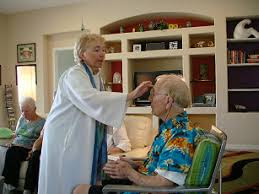
Friday, December 28, 2012
Catholic Priest Blames Italy’s Stiletto Murders on Women by Barbie Latza Nadeau
http://www.thedailybeast.com/articles/2012/12/28/catholic-priest-blames-italy-s-stiletto-murders-on-women.html?utm_medium=email&utm_source=newsletter&utm_campaign=cheatsheet_afternoon&cid=newsletter%3Bemail%3Bcheatsheet_afternoon&utm_term=Cheat%20Sheet
Dec 28, 2012 4:45 AM EST "Father Piero Corsi sparked outrage in Italy with his Christmas Eve comments about the growing number of women killed in domestic disputes. It's no surprise that misogyny appears to be alive and well in certain corners of Catholic Italy, where women are hardly viewed as men’s equals. But in the town of Lerici, near Turin, parish priest Father Piero Corsi sparked unprecedented outrage this Christmas, when he chose the delicate issue of femicide, or the killing of women in domestic disputes, as his Christmas bulletin theme."
Thursday, December 27, 2012
Pontfical Biblical Commission in 1976 Concluded That There Is No Evidence in New Testament to Prohibit Women Priests/ Why does Magisterium Insist it is Jesus' Will When Evidence Does Not Support Teaching?
"In April 1976, the Pontifical Biblical Commission released a study examining the exclusion of women from the ministerial priesthood from a biblical perspective... In the conclusion of the document, they write:
"It does not seem that the New Testament by itself alone will permit us to settle in a clear way and once and for all the problem of the possible accession of women to the presbyterate.
However, some think that in the scriptures there are sufficient indications to exclude this possibility, considering that the sacraments of eucharist and reconciliation have a special link with the person of Christ and therefore with the male hierarchy, as borne out by the New Testament.
Others, on the contrary, wonder if the church hierarchy, entrusted with the sacramental economy, would be able to entrust the ministries of eucharist and reconciliation to women in light of circumstances, without going against Christ's original intentions."[6]
http://en.wikipedia.org/wiki/Catholic_Church_doctrine_on_the_ordination_of_women
So let us be clear the Vatican scholars in the Pontifical Biblical Commission of 1976 is open to the possibility of women priests. The Catechism and the current papal teaching contradict its own scholarship.
The church must always follow Jesus' example.
First, Jesus did not ordain anyone at the last supper.
Second, according to all four Gospels, the Risen Christ appeared first to Mary of Magdala, and chose her to the apostle to the apostles to proclaim the central message of Christianity, the resurrection of Jesus from the dead.
Third: In the Gospels, Jesus treated women and men as disciples and equals.Read Luke 8:1-3. Many women were disciples of Jesus and they supported him by bankrolling his ministry!
Fourth: According to scholars such as Gary Macy, in The Hidden History of Women's Ordination, women were ordained for the first thousand years of church history. Archaeologist Dorothy Irvin has found many examples of women deacons, priests and bishops in the ancient world in mosaics, frescoes, and tombstones in Rome and the Near East and Northern Africa. Pope Gelasius in 494 chastised the bishops of southern Italy for allowing women to preside at Eucharist. Bishop Atto in the tenth century referred to the presence of women priests in the history of the church.
Fifth: It is time for the Catholic Church to follow the example of Jesus and the early church, and affirm women priests. The quote from the Catholic Church's Catechism that claims a male priesthood is Jesus' will contradicts the evidence in the bible and the archaeological evidence of women deacons, priests and bishops found in the early Christianity. Women are equal images of God and sexism is a sin that denies women the opportunity to serve as equals in the sacramental ministry of our church.
Roman Catholic Women Priests are offering the gift of a renewed priestly ministry in an inclusive church where all are welcome to receive sacraments. The full equality of women is the voice of God in our time.
Dr. Bridget Mary Meehan, ARCWP
Association of Roman Catholic Women Priests
www.arcwp.org
"It does not seem that the New Testament by itself alone will permit us to settle in a clear way and once and for all the problem of the possible accession of women to the presbyterate.
However, some think that in the scriptures there are sufficient indications to exclude this possibility, considering that the sacraments of eucharist and reconciliation have a special link with the person of Christ and therefore with the male hierarchy, as borne out by the New Testament.
Others, on the contrary, wonder if the church hierarchy, entrusted with the sacramental economy, would be able to entrust the ministries of eucharist and reconciliation to women in light of circumstances, without going against Christ's original intentions."[6]
http://en.wikipedia.org/wiki/Catholic_Church_doctrine_on_the_ordination_of_women
So let us be clear the Vatican scholars in the Pontifical Biblical Commission of 1976 is open to the possibility of women priests. The Catechism and the current papal teaching contradict its own scholarship.
The church must always follow Jesus' example.
First, Jesus did not ordain anyone at the last supper.
Second, according to all four Gospels, the Risen Christ appeared first to Mary of Magdala, and chose her to the apostle to the apostles to proclaim the central message of Christianity, the resurrection of Jesus from the dead.
Third: In the Gospels, Jesus treated women and men as disciples and equals.Read Luke 8:1-3. Many women were disciples of Jesus and they supported him by bankrolling his ministry!
Fourth: According to scholars such as Gary Macy, in The Hidden History of Women's Ordination, women were ordained for the first thousand years of church history. Archaeologist Dorothy Irvin has found many examples of women deacons, priests and bishops in the ancient world in mosaics, frescoes, and tombstones in Rome and the Near East and Northern Africa. Pope Gelasius in 494 chastised the bishops of southern Italy for allowing women to preside at Eucharist. Bishop Atto in the tenth century referred to the presence of women priests in the history of the church.
Fifth: It is time for the Catholic Church to follow the example of Jesus and the early church, and affirm women priests. The quote from the Catholic Church's Catechism that claims a male priesthood is Jesus' will contradicts the evidence in the bible and the archaeological evidence of women deacons, priests and bishops found in the early Christianity. Women are equal images of God and sexism is a sin that denies women the opportunity to serve as equals in the sacramental ministry of our church.
Roman Catholic Women Priests are offering the gift of a renewed priestly ministry in an inclusive church where all are welcome to receive sacraments. The full equality of women is the voice of God in our time.
Dr. Bridget Mary Meehan, ARCWP
Association of Roman Catholic Women Priests
www.arcwp.org
Wednesday, December 26, 2012
"Why God?" by Maureen Dowd/New York Times
"When my friend Robin was dying, she asked me if I knew a priest she could talk to who would not be, as she put it, “too judgmental.” I knew the perfect man, a friend of our family, a priest conjured up out of an old black-and-white movie, the type who seemed not to exist anymore in a Catholic Church roiled by scandal. Like Father Chuck O’Malley, the New York inner-city priest played by Bing Crosby, Father Kevin O’Neil sings like an angel and plays the piano; he’s handsome, kind and funny. Most important, he has a gift. He can lighten the darkness around the dying and those close to them. When he held my unconscious brother’s hand in the hospital, the doctors were amazed that Michael’s blood pressure would noticeably drop. The only problem was Father Kevin’s reluctance to minister to the dying. It tears at him too much. He did it, though, and he and Robin became quite close. Years later, he still keeps a picture of her in his office. As we’ve seen during this tear-soaked Christmas, death takes no holiday. I asked Father Kevin, who feels the subject so deeply, if he could offer a meditation. This is what he wrote:
How does one celebrate Christmas with the fresh memory of 20 children and 7 adults ruthlessly murdered in Newtown; with the searing image from Webster of firemen rushing to save lives ensnared in a burning house by a maniac who wrote that his favorite activity was “killing people”? How can we celebrate the love of a God become flesh when God doesn’t seem to do the loving thing? If we believe, as we do, that God is all-powerful and all-knowing, why doesn’t He use this knowledge and power for good in the face of the evils that touch our lives?
The killings on the cusp of Christmas in quiet, little East Coast towns stirred a 30-year-old memory from my first months as a priest in parish ministry in Boston. I was awakened during the night and called to Brigham and Women’s Hospital because a girl of 3 had died. The family was from Peru. My Spanish was passable at best. When I arrived, the little girl’s mother was holding her lifeless body and family members encircled her.
They looked to me as I entered. Truth be told, it was the last place I wanted to be. To parents who had just lost their child, I didn’t have any words, in English or Spanish, that wouldn’t seem cheap, empty. But I stayed. I prayed. I sat with them until after sunrise, sometimes in silence, sometimes speaking, to let them know that they were not alone in their suffering and grief. The question in their hearts then, as it is in so many hearts these days, is “Why?”
The truest answer is: I don’t know. I have theological training to help me to offer some way to account for the unexplainable. But the questions linger. I remember visiting a dear friend hours before her death and reminding her that death is not the end, that we believe in the Resurrection. I asked her, “Are you there yet?” She replied, “I go back and forth.”
There was nothing I wanted more than to bring out a bag of proof and say, “See? You can be absolutely confident now.” But there is no absolute bag of proof. I just stayed with her.
A life of faith is often lived “back and forth” by believers and those who minister to them.
Implicit here is the question of how we look to God to act and to enter our lives. For whatever reason, certainly foreign to most of us, God has chosen to enter the world today through others, through us. We have stories of miraculous interventions, lightning-bolt moments, but far more often the God of unconditional love comes to us in human form, just as God did over 2,000 years ago.
I believe differently now than 30 years ago. First, I do not expect to have all the answers, nor do I believe that people are really looking for them. Second, I don’t look for the hand of God to stop evil. I don’t expect comfort to come from afar. I really do believe that God enters the world through us. And even though I still have the “Why?” questions, they are not so much “Why, God?” questions. We are human and mortal. We will suffer and die. But how we are with one another in that suffering and dying makes all the difference as to whether God’s presence is felt or not and whether we are comforted or not.
One true thing is this: Faith is lived in family and community, and God is experienced in family and community. We need one another to be God’s presence. When my younger brother, Brian, died suddenly at 44 years old, I was asking “Why?” and I experienced family and friends as unconditional love in the flesh. They couldn’t explain why he died. Even if they could, it wouldn’t have brought him back. Yet the many ways that people reached out to me let me know that I was not alone. They really were the presence of God to me. They held me up to preach at Brian’s funeral. They consoled me as I tried to comfort others. Suffering isolates us. Loving presence brings us back, makes us belong.
A contemporary theologian has described mercy as “entering into the chaos of another.” Christmas is really a celebration of the mercy of God who entered the chaos of our world in the person of Jesus, mercy incarnate. I have never found it easy to be with people who suffer, to enter into the chaos of others. Yet, every time I have done so, it has been a gift to me, better than the wrapped and ribboned packages. I am pulled out of myself to be love’s presence to someone else, even as they are love’s presence to me.
I will never satisfactorily answer the question “Why?” because no matter what response I give, it will always fall short. What I do know is that an unconditionally loving presence soothes broken hearts, binds up wounds, and renews us in life. This is a gift that we can all give, particularly to the suffering. When this gift is given, God’s love is present and Christmas happens daily.
A version of this op-ed appeared in print on December 26, 2012, on page A25 of the New York edition with the headline: Why, God?.
How does one celebrate Christmas with the fresh memory of 20 children and 7 adults ruthlessly murdered in Newtown; with the searing image from Webster of firemen rushing to save lives ensnared in a burning house by a maniac who wrote that his favorite activity was “killing people”? How can we celebrate the love of a God become flesh when God doesn’t seem to do the loving thing? If we believe, as we do, that God is all-powerful and all-knowing, why doesn’t He use this knowledge and power for good in the face of the evils that touch our lives?
The killings on the cusp of Christmas in quiet, little East Coast towns stirred a 30-year-old memory from my first months as a priest in parish ministry in Boston. I was awakened during the night and called to Brigham and Women’s Hospital because a girl of 3 had died. The family was from Peru. My Spanish was passable at best. When I arrived, the little girl’s mother was holding her lifeless body and family members encircled her.
They looked to me as I entered. Truth be told, it was the last place I wanted to be. To parents who had just lost their child, I didn’t have any words, in English or Spanish, that wouldn’t seem cheap, empty. But I stayed. I prayed. I sat with them until after sunrise, sometimes in silence, sometimes speaking, to let them know that they were not alone in their suffering and grief. The question in their hearts then, as it is in so many hearts these days, is “Why?”
The truest answer is: I don’t know. I have theological training to help me to offer some way to account for the unexplainable. But the questions linger. I remember visiting a dear friend hours before her death and reminding her that death is not the end, that we believe in the Resurrection. I asked her, “Are you there yet?” She replied, “I go back and forth.”
There was nothing I wanted more than to bring out a bag of proof and say, “See? You can be absolutely confident now.” But there is no absolute bag of proof. I just stayed with her.
A life of faith is often lived “back and forth” by believers and those who minister to them.
Implicit here is the question of how we look to God to act and to enter our lives. For whatever reason, certainly foreign to most of us, God has chosen to enter the world today through others, through us. We have stories of miraculous interventions, lightning-bolt moments, but far more often the God of unconditional love comes to us in human form, just as God did over 2,000 years ago.
I believe differently now than 30 years ago. First, I do not expect to have all the answers, nor do I believe that people are really looking for them. Second, I don’t look for the hand of God to stop evil. I don’t expect comfort to come from afar. I really do believe that God enters the world through us. And even though I still have the “Why?” questions, they are not so much “Why, God?” questions. We are human and mortal. We will suffer and die. But how we are with one another in that suffering and dying makes all the difference as to whether God’s presence is felt or not and whether we are comforted or not.
One true thing is this: Faith is lived in family and community, and God is experienced in family and community. We need one another to be God’s presence. When my younger brother, Brian, died suddenly at 44 years old, I was asking “Why?” and I experienced family and friends as unconditional love in the flesh. They couldn’t explain why he died. Even if they could, it wouldn’t have brought him back. Yet the many ways that people reached out to me let me know that I was not alone. They really were the presence of God to me. They held me up to preach at Brian’s funeral. They consoled me as I tried to comfort others. Suffering isolates us. Loving presence brings us back, makes us belong.
A contemporary theologian has described mercy as “entering into the chaos of another.” Christmas is really a celebration of the mercy of God who entered the chaos of our world in the person of Jesus, mercy incarnate. I have never found it easy to be with people who suffer, to enter into the chaos of others. Yet, every time I have done so, it has been a gift to me, better than the wrapped and ribboned packages. I am pulled out of myself to be love’s presence to someone else, even as they are love’s presence to me.
I will never satisfactorily answer the question “Why?” because no matter what response I give, it will always fall short. What I do know is that an unconditionally loving presence soothes broken hearts, binds up wounds, and renews us in life. This is a gift that we can all give, particularly to the suffering. When this gift is given, God’s love is present and Christmas happens daily.
A version of this op-ed appeared in print on December 26, 2012, on page A25 of the New York edition with the headline: Why, God?.
Subscribe to:
Posts (Atom)

